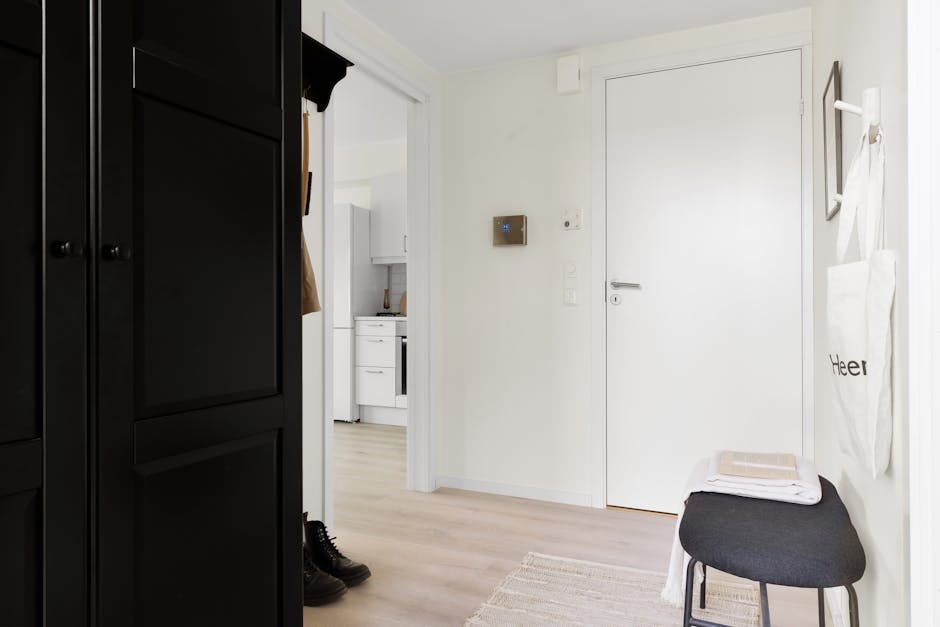
The kitchen counter is a flurry of activity as the clock ticks down to school pickup. A half-opened lunch bag sits next to a pile of mail, while the family calendar on the fridge is crammed with overlapping schedules. Shoes are scattered near the door, a constant reminder of the morning rush. As I grab the last juice box from the fridge, I notice the permission slip I meant to sign is still buried beneath the mail. This is a familiar scene: the shared surfaces never seem to stay clear long enough to keep our routines running smoothly.
In the chaos, small decisions slip through the cracks. The kids are busy packing their bags, but without a quick check on the shared calendar, we risk missing important deadlines or events. I glance at the kitchen counter again, where lunch items are jostling for space with homework papers and keys. It’s a delicate balance, and when one item goes missing or gets overlooked, it can throw off the entire evening. The simple act of placing the permission slip back on the counter after signing it could save us from a last-minute scramble later, yet it often gets lost in the shuffle of our busy household.
The Morning Rush: A Scene in Motion
The kitchen counter is a battleground of bags, lunch items, and the family calendar, each vying for space during our chaotic weekday mornings. As I pour cereal for the kids, I can barely see the calendar peeking out from under a pile of school papers and half-eaten snacks. It’s a familiar sight, one that makes me acutely aware of how easily our routines can unravel. Shoes are strewn haphazardly by the door, a testament to the hurried exits we make each day. The kids dash in and out, grabbing their backpacks while I remind them to check for their lunchboxes.
Amidst this flurry, the shared kitchen becomes a bottleneck. I glance at the clock—only fifteen minutes until we need to leave for school pickup. I know I should check the calendar to confirm today’s schedule, but the clutter makes it hard to focus. Instead, I prioritize clearing a small spot on the counter, pushing aside a stack of unopened mail and a stray water bottle. I place the permission slip I just signed right next to the lunch items, a visible reminder for later. This simple act of setting it down in the same place each time could prevent the last-minute panic of searching for it later.
As I juggle breakfast prep and reminders, I can’t help but notice how one small oversight—a missing shoe or a forgotten lunch—can derail our carefully constructed morning routine. The kitchen, with its shared surfaces and overlapping schedules, requires constant attention to keep it running smoothly. I remind myself that a quick check on the shared calendar, even amidst the chaos, could save us from scrambling later. Yet, as I pour the last of the milk, I realize that in this busy household, the friction of shared spaces often leaves us racing against the clock.
When the Handoff Fails: A Breakdown in Routine
A slightly different version of this problem appears in Communication In Families, where the sequence changes but the hidden drag feels familiar.
The shared kitchen counter often becomes a battleground during busy weekday mornings. As I prepare breakfast, I glance at the family calendar, but it’s obscured by a mountain of mail and lunch items. The clutter makes it easy to overlook important tasks, like signing the permission slip for school pickup. I had placed it there the night before, intending to grab it on my way out, but now it’s buried under a stack of unopened letters and half-finished lunch bags.
In the chaos, I realize I’ve missed a crucial check. The slip is nowhere to be found, and the clock is ticking down to our departure time. This oversight triggers a frantic search through the pile, and I can feel the tension rising. As I dig through the mail, I spot the slip wedged between a takeout menu and a grocery list, but the delay has already thrown off our timing. The kids are now rushing to finish their breakfast, and I’m left scrambling to gather bags and keys while trying to keep everyone on track.
After this morning’s chaos, I decide to implement a small adjustment: I’ll designate a specific spot on the counter for all important documents, ensuring they’re visible and accessible. By placing the permission slip and other essential notes in the same place each time, I hope to prevent future last-minute scrambles. However, the challenge remains—keeping that space clear amidst the daily clutter of our busy household. It’s a constant tug-of-war between maintaining order and managing the inevitable mess that comes with family life.
Why Surfaces Matter: The Mechanism of Friction
If this pattern keeps repeating, Managing Shared Spaces extends the idea without leaving the niche.
The shared kitchen counter often becomes a battleground during the busy evening rush. As I prepare dinner, the space fills with lunch bags, scattered school papers, and half-opened snack boxes. Each item contributes to a growing clutter that creates confusion. I find myself searching for the family calendar, buried under a pile of mail and yesterday’s grocery list. In this chaos, the simple act of checking the schedule becomes a frustrating scavenger hunt.
When the counter is messy, essential tasks slip through the cracks. Just yesterday, I missed a crucial reminder about a school pickup because the permission slip was hidden beneath a takeout menu. I had intended to place it in a designated spot, but the clutter made that impossible. The good intention to keep everything organized faltered under the weight of daily life. It’s a tradeoff: do I spend extra time cleaning the counter each evening, or do I risk forgetting important tasks?
To combat this, I’ve started a new routine: every evening, after dinner, I take five minutes to clear the counter. This small adjustment helps maintain a shared space where communication flows more smoothly. I make it a point to place the family calendar and any important documents in the same spot each time. However, the challenge remains—keeping that space clear amidst the inevitable mess of our busy household. It’s a constant balancing act, requiring not just intention but also consistent action to prevent the clutter from overwhelming our shared kitchen.
One Simple Adjustment: The Power of a Sticky Note
Every busy evening, as the clock ticks closer to bedtime, the kitchen counter transforms into a chaotic hub. Bags spill over with lunch items, and the family calendar lies buried under a pile of mail. Amidst this clutter, a sticky note has become my unexpected ally. Each morning, I jot down essential tasks—like signing the permission slip for school—and place it prominently on the counter. This small visual reminder cuts through the noise, ensuring that important tasks don’t slip through the cracks.
To further streamline our hectic exits, I’ve encouraged everyone to place their shoes by the door. This simple act eliminates the last-minute scramble to find mismatched pairs, which often leads to frustration. The shoes are now a visual cue, signaling that it’s time to leave, and the family knows to check for the sticky note before heading out. This adjustment not only saves time but also fosters a sense of shared responsibility.
In the midst of this, I’ve learned to prioritize the order in which I handle tasks. After dinner, I take a moment to clear the counter, making space for the next day’s chaos. I also check the sticky note and the family calendar, ensuring that nothing vital gets overlooked. It’s a simple sequence: clear, check, and prepare. Yet, even with these adjustments, the challenge remains—keeping the kitchen counter clear enough for effective communication while managing the daily whirlwind of our busy household.
What Gets Easier in the Next Time Block
During the chaotic evening hours, when the kitchen counter is a battleground of lunchboxes, keys, and half-finished homework, the friction points become glaringly obvious. I often find myself juggling dinner prep while keeping an eye on the clock for school pickup. The shared surfaces, cluttered with snack wrappers and stray papers, create a bottleneck that makes it difficult to find what I need—like that permission slip that somehow ends up buried under a pile of mail.
One small adjustment has made a noticeable difference in this hectic routine. After dinner, I take a few minutes to clear the counter, placing the lunch items and bags in designated spots. This simple act not only declutters the space but also sets a clear visual cue for the next morning. I’ve started to keep the family calendar on the counter, right next to the bags, so I can quickly check if there’s anything I might have missed for the following day. By ensuring that the lunch items are packed and the calendar is visible, I can avoid last-minute scrambles and keep the flow moving smoothly.
As I prepare for the next wave of tasks, I notice that with the counter cleared, communication becomes easier. I can quickly ask my child if they have everything they need for school without having to sift through a mess. This small shift in how I manage the shared kitchen leads to a more organized evening and a smoother transition into the next day, yet the challenge of maintaining that clarity amidst the daily rush remains ever-present.
As I stand in the kitchen, I often find myself staring at the cluttered counter, wondering where the time went. The shared surface, intended for quick meal prep and family communication, becomes a bottleneck during busy evenings. I've learned that when the permission slip stays buried under the mail, it’s not just an oversight; it disrupts our whole routine. A simple check of that shared item before the school pickup can prevent a last-minute rush to find it, which only adds to the chaos.
To combat this, I’ve started placing a small basket on the counter specifically for important documents like permission slips and notes. This small change creates a designated spot that everyone can see and access easily. When the basket is full, I know it’s time for a quick family check-in. By making sure that one shared object is always in the same place, I can keep our evening transitions smoother, but the challenge of maintaining that order amid the daily rush remains. It’s a constant balancing act that requires attention, but it’s one I’m committed to mastering.
