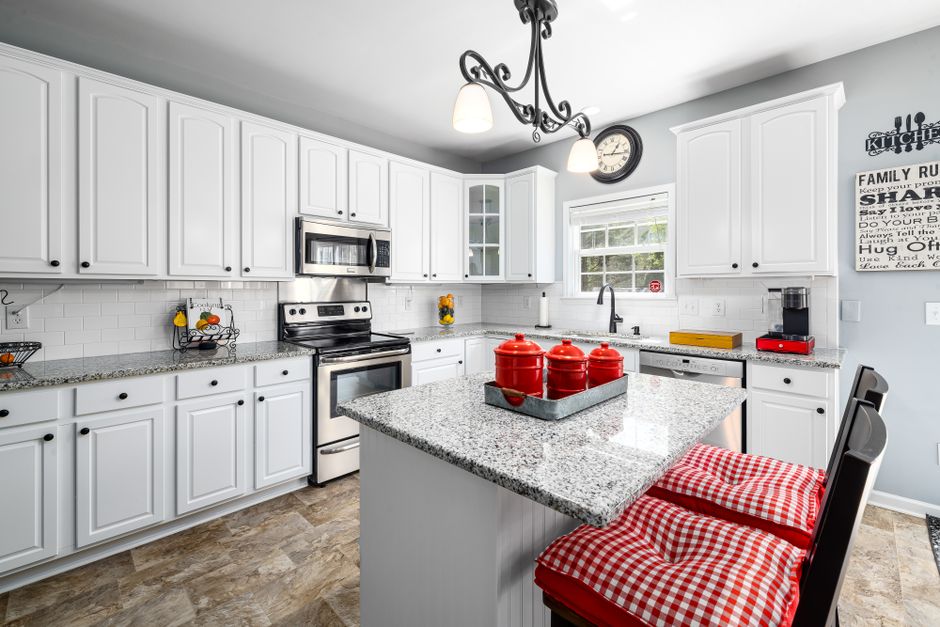
As the clock edges towards 6 PM, the shared kitchen buzzes with activity. A half-finished dinner simmers on the stove while backpacks clutter the counter, their zippers gaping open. The family calendar hangs on the wall, filled with scribbles of after-school activities and reminders, but the permission slip for tomorrow’s field trip still lies forgotten under a pile of mail. With the school pickup looming, the tension rises; everyone is trying to navigate the same space at once, and the evening routine threatens to spiral into chaos.
In the midst of this, the handoff for bedtime routines begins to unfold. One child needs help with homework while another is already tugging at the kitchen drawer for a snack. The shared surface of the counter, once a place for meal prep, is now a battleground of keys, lunch items, and school papers. If the permission slip doesn’t get moved to the school bag hook by the door, it risks being overlooked entirely. Each moment counts, and without a clear system for managing these shared spaces, the evening's carefully laid plans can easily slip through the cracks, leaving everyone scrambling at the last minute.
The Evening Handoff Begins
The kitchen is a whirlwind of activity as the clock edges toward 6 PM. School bags spill open on the counter, their contents—a jumble of homework sheets, lunch boxes, and crumpled permission slips—threaten to cascade onto the floor. One child is seated at the table, pencil in hand, furiously working on a math assignment, while another hovers near the stove, eyeing the pot of pasta simmering on the burner. The air is thick with the aroma of dinner, but the evening routine is already feeling strained.
As the school pickup time approaches, the pressure mounts. Parents dart between the kitchen and the hallway, grabbing keys and packing bags while reminding each other about the forgotten items. A quick glance at the family calendar pinned to the wall reveals tomorrow's activities, but the permission slip for the field trip still lies buried under a stack of mail. To avoid last-minute chaos, a simple but effective move is to designate the school bag hook by the door as the drop-off point for all important papers. This small shift ensures that essential items are always in one place, ready for the next morning's rush. However, with the evening's demands piling up, the risk of overlooking this system looms large, leaving everyone scrambling for a semblance of order amidst the chaos.
Where the Routine Starts to Slip
The kitchen counter is cluttered with dinner prep items: a half-chopped onion, a bowl of pasta, and a few scattered lunch items waiting to be packed. As the clock edges closer to the school pickup time, the evening routine begins to feel frayed. Just as the pasta water starts to boil, a child rushes in, needing help with a math problem. The interruption pulls focus away from the simmering sauce and the growing list of tasks still to be done.
Meanwhile, the family calendar hangs on the wall, a colorful representation of the week’s activities. However, the permission slip for tomorrow’s field trip remains buried under a pile of unopened mail on the kitchen table. This oversight is a small but critical detail that can lead to chaos. As the clock ticks, it becomes clear that the slip must be found before the evening spirals out of control.
To avoid this last-minute panic, a quick check can be implemented: designate a specific spot on the counter for all important papers. This way, when the evening starts to get hectic, everyone knows to look in one place for the slip. If the mail stack is cleared daily, it minimizes the chances of miscommunication and forgotten items. Yet, with the child needing assistance and dinner demanding attention, the risk of overlooking this system looms large. The evening's demands create a tug-of-war between tasks, leaving the family scrambling to keep their shared routine from breaking down.
If this pattern keeps repeating, Managing Shared Spaces extends the idea without leaving the niche.
Why Shared Spaces Become Overwhelming
Evening routines can quickly spiral into chaos when multiple family members need to use the kitchen at the same time. As dinner prep begins, the school bags are still cluttering the counter, and the family calendar on the wall is filled with overlapping commitments. This disarray makes it challenging to find essential items, like the lunchbox or the permission slip for tomorrow's field trip, which is still buried under yesterday's mail. When everyone is rushing, decisions about who gets to use the kitchen first often happen too late, leading to frustration.
- Clear a specific area on the counter for school-related items each evening, so everyone knows where to look for important papers.
- Establish a quick check-in time after dinner where everyone can review the family calendar for the next day, preventing last-minute surprises.
- Encourage each family member to take responsibility for clearing their items off shared surfaces before bedtime, which helps keep things organized.
With good intentions, family members may plan to tidy up, but when the clock ticks down to bedtime, those intentions often fall by the wayside. The hidden step of consistently clearing clutter from shared surfaces can make a significant difference. Without this routine, the evening can easily become a frantic search for forgotten items, leaving everyone scrambling and the shared space feeling overwhelming.
A Simple Adjustment to Clear the Clutter
Amid the chaos of a busy evening, the kitchen counter often transforms into a dumping ground for school bags, lunch boxes, and scattered papers. Just last week, I noticed that the permission slip for a field trip remained buried beneath a pile of mail, causing a last-minute scramble to find it at bedtime. This common scenario highlights how easily shared spaces can become cluttered, especially when multiple family members are rushing to prepare for the next day.
To ease this friction, designating an ‘evening prep zone’ on a clear section of the kitchen counter can make a significant difference. This space should be specifically reserved for school items and bags, ensuring that everything needed for the next day has a dedicated place. Each evening, after dinner, take a moment to gather all school-related items and place them in this zone. A quick check-in with sticky notes can serve as reminders for each family member, outlining what needs to be done before bedtime, like packing lunches or signing forms. This small adjustment not only organizes the space but also streamlines the transition into the next day.
Implementing this system requires just a few minutes each night but can prevent the frantic searches that often occur when bedtime approaches. By consistently using the evening prep zone, family members can quickly locate their items, reducing stress and confusion. As the evening winds down, the shared kitchen transforms from a chaotic space into a more manageable environment, allowing everyone to focus on winding down rather than scrambling for forgotten essentials.
The Next Evening: A Smoother Transition
A slightly different version of this problem appears in Communication In Families, where the sequence changes but the hidden drag feels familiar.
As the sun sets on a busy weekday, the shared kitchen feels more organized, with backpacks neatly hung on the hooks by the door. Each bag is now a designated spot for school items, reducing the usual chaos that occurs when bedtime approaches. This simple adjustment allows family members to grab what they need without rummaging through cluttered counters or searching for misplaced permission slips, which often ended up under the mail.
With the family calendar prominently displayed on the fridge, everyone is aware of their responsibilities before the evening winds down. As dinner wraps up, a quick glance at the calendar reveals who needs to pack lunches and sign forms. This clarity means that bedtime can start on time, as each person knows exactly what tasks await them. Instead of the usual scramble, the evening flows seamlessly into a more manageable routine.
During this transition, the family has adopted a quick check-in ritual. After dinner, each member takes a moment to review their tasks, ensuring that everything is in place. For instance, the lunch items are prepped and stored in the fridge, while keys are placed in a bowl by the door. This small, deliberate action reinforces accountability and keeps the shared space functional, allowing everyone to focus on winding down rather than scrambling for forgotten essentials.
As bedtime approaches, the kitchen remains a calm environment rather than a chaotic one, making it easier for everyone to settle in for the night. The shared routines are now smoother, and the family can enjoy their evenings without the stress of last-minute searches or forgotten items.
As the evening winds down, the shared kitchen can easily become a cluttered battleground if everyone isn’t on the same page. A simple yet effective practice is to designate a specific spot for the school permission slip that often gets lost under the mail. By placing it in a folder on the counter labeled 'School Items,' everyone knows where to find it, reducing the frantic search when it’s time for school pickup.
To keep the evening flowing smoothly, take a moment to check the family calendar before bedtime. Confirm that tomorrow’s lunch items are packed and that bags are ready by the door. This small act of preparation ensures no one is scrambling at the last minute, allowing for a more peaceful transition into the night. Implementing these straightforward checks can significantly ease the friction of shared routines, making busy evenings more manageable.