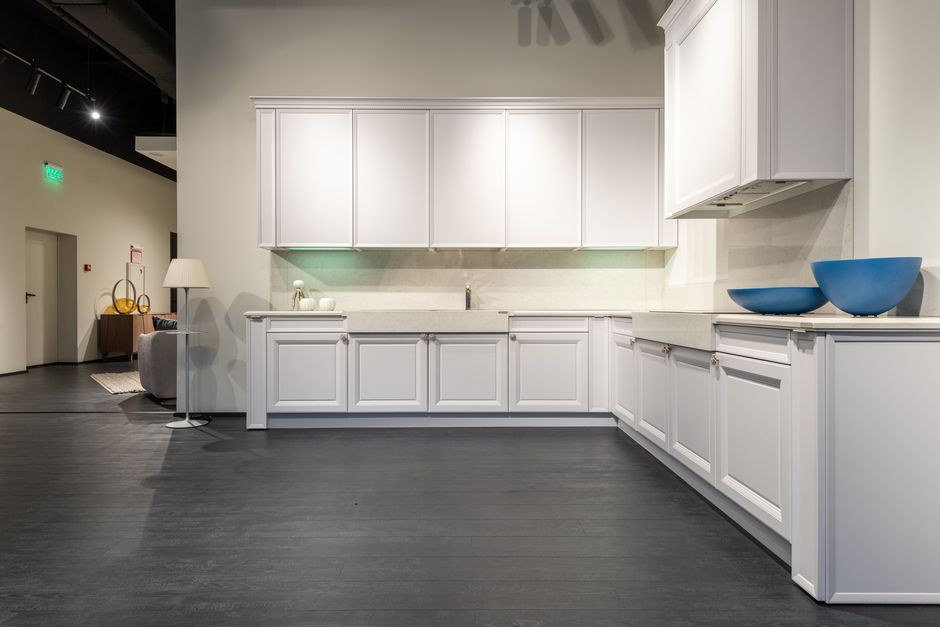
As the clock ticks toward bedtime, the shared kitchen counter becomes a battleground of backpacks, lunch boxes, and scattered permission slips. The evening rush is palpable; dinner plates are hastily cleared while a caregiver juggles the task of prepping tomorrow's school items. Amid this chaos, the permission slip remains hidden beneath a pile of mail, a small oversight that could derail the morning routine. Each item left unattended on the counter signals a potential breakdown in the carefully crafted family schedule.
In the midst of this busy evening, the caregiver's attention is divided. One hand reaches for the family calendar on the wall, while the other fumbles with keys and lunch items, trying to ensure everything is ready for the next day. The decision to clear just one shared surface can make all the difference; it’s a simple act that sets the tone for a smoother morning. When the lunch boxes are packed and placed in the same spot on the counter, it not only reduces the morning scramble but also reinforces the importance of communication within the family. Each small decision, from where to put the lunch items to remembering to check for that permission slip, shapes the shared space and influences the flow of family routines. The Overlooked Moment Before Bedtime Prep As the clock edges closer to 8 PM, the shared kitchen transforms into a chaotic hub. Lunch boxes lie half-opened on the counter, their contents spilling out alongside scattered school papers and a forgotten water bottle. A family calendar hangs on the wall, its colorful markers signaling an upcoming school event, but the permission slip remains buried under a pile of mail. The caregiver, juggling keys in one hand, glances at the clock, feeling the pressure of bedtime looming.
In this tight window, the decision to clear just one shared surface becomes critical. With a quick sweep, the caregiver pushes aside the clutter, creating a designated spot for the packed lunch boxes. This small act not only tidies the space but also sets a clear visual cue for the morning rush. By placing the lunch boxes in the same spot each night, the caregiver reduces the likelihood of a frantic search come morning. The family schedule hinges on these moments; a missed permission slip or misplaced lunch can derail the carefully orchestrated routine. As the evening winds down, the caregiver knows that this simple check—ensuring everything is in its place—can make the difference between a smooth morning and a chaotic scramble.
The Decision to Rush or Organize
As the clock ticks closer to bedtime, the shared kitchen counter becomes a battleground of bags, lunch items, and scattered papers. In a moment of urgency, the caregiver opts to quickly shuffle items to the side, creating a semblance of order. The immediate relief of a clear surface feels satisfying, but this choice often leads to a growing pile of clutter that will demand attention later. A few stray permission slips, a forgotten library book, and half-packed lunch boxes are all pushed aside, temporarily hidden from view.
However, this quick fix can backfire. When the caregiver skips the step of organizing, the next morning's frantic search for the lunch boxes or the misplaced permission slip becomes inevitable. Instead of a smooth handoff, the family faces a chaotic scramble as they rush to find what’s needed. By taking just a moment to designate a specific spot for the lunch boxes and ensuring that the permission slip is placed on top of the mail, the caregiver can transform the evening's flow. This small adjustment not only clears the counter but also sets the stage for a more manageable morning, making it easier to keep the family routine intact.
The Cost of Quick Fixes
Rushing through the evening routine often leads to overlooked details, especially on a busy weekday night. As the caregiver stands at the shared kitchen counter, the clock ticks closer to bedtime. In an effort to clear the clutter, they quickly shove aside lunch boxes and stray papers, including a crucial permission slip that should have been signed. Instead of placing it on the family calendar or the top of the mail pile, it gets lost in the shuffle. This momentary decision to prioritize a clear surface over organization sets the stage for chaos the next morning.
When morning arrives, the family faces a frantic search for the misplaced permission slip, which now lies buried under a pile of forgotten mail. The caregiver, already juggling breakfast and school pickup times, realizes that the family calendar has also been neglected. Missed events and forgotten pickups become the norm, creating unnecessary stress. By skipping the simple step of checking the calendar and designating a specific spot for important items, the caregiver inadvertently sacrifices a smoother handoff for a temporary sense of order. This small tradeoff reveals itself in the chaos of the next morning, where the cost of quick fixes becomes painfully evident.
This same friction shows up again in Managing Shared Spaces, especially when the day tightens unexpectedly.
A Simple Rule for Shared Spaces
At the end of a busy weekday, the shared kitchen counter can quickly become a cluttered catch-all. With bags, lunch items, and keys strewn about, the evening routine can feel chaotic. Establishing a nightly rule to clear this shared surface before bed can significantly ease the morning rush.
- Designate a specific spot on the counter for keys and bags. This way, everyone knows where to find their items in the morning.
- Before heading to bed, do a quick check of the family calendar. Make sure any lunch items needed for the next day are packed and placed in a designated area on the counter.
- Instead of leaving the permission slip on the counter or under the mail, place it in a clear folder that hangs on a hook nearby. This ensures it won’t get lost in the shuffle.
By committing to this simple rule, the family avoids the frantic search for misplaced items the next morning. The clear surface not only promotes organization but also sets the stage for smoother transitions during busy times. When everyone knows where their things are, the potential for chaos diminishes, making the evening handoff less stressful.
What Runs More Smoothly After That
If this pattern keeps repeating, Communication In Families extends the idea without leaving the niche.
When the shared kitchen counter is consistently cleared and organized, the evening handoff transforms from a chaotic scramble into a more manageable routine. After a busy day, the simple act of placing lunch items in a designated basket on the counter ensures that nothing is left behind. This small adjustment means that, come morning, everyone knows exactly where to find their lunch bags and keys, minimizing the chance of forgetting something crucial.
Before heading to bed, a quick glance at the family calendar can prevent last-minute surprises. For instance, if a permission slip is tucked into a clear folder hanging by the door, it’s easy to grab on the way out. This shift not only saves time but also reduces stress, as the family can leave the house knowing they have everything they need. The routine becomes smoother; as each member contributes to this shared responsibility, the likelihood of missing a school pickup or forgetting a lunch item diminishes.
In essence, these small but deliberate choices during busy evenings create a ripple effect. When everyone pitches in to keep the counter clear and the family schedule visible, the morning rush feels less frantic. A well-organized space fosters better communication and cooperation, making shared routines not just possible but efficient. The next time you find yourself in a hurry, remember that a few minutes spent organizing can lead to a more peaceful start to the day.
As the evening winds down and bedtime approaches, the shared kitchen counter can quickly become a cluttered battleground, with bags, lunch items, and keys vying for attention. If the family calendar is not checked and updated, crucial items like permission slips can easily slip through the cracks, leading to last-minute scrambles. A simple act of placing the calendar in a visible spot, perhaps right next to the shared surface, can serve as a reminder for everyone to keep track of what’s needed for the next day.
When each family member takes a moment to clear one shared surface before bedtime, it not only sets the stage for a smoother morning but also reinforces a sense of collective responsibility. The next time you’re preparing for a busy evening, make it a point to check that the permission slip is in the same place as the lunch bags. This small decision can significantly impact how the following day unfolds, ensuring that the chaos of a busy household doesn’t disrupt your shared routines.