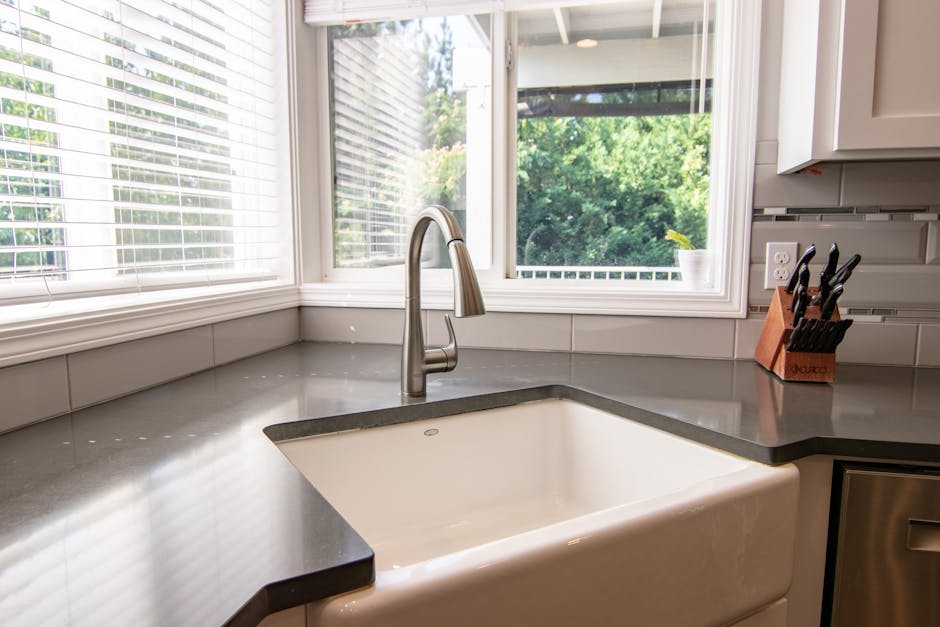
As the clock ticks toward 7:30 AM, the shared kitchen buzzes with the familiar chaos of a busy weekday morning. The school bags hang on the hook by the door, but the surface of the kitchen counter is cluttered with lunch items, keys, and a stray permission slip that somehow got buried under a pile of mail. With everyone rushing to grab breakfast and find their shoes, the morning routine feels like a game of Tetris, where the pieces never quite fit together. The challenge isn’t just about getting out the door; it’s about keeping the shared spaces clear enough to function amidst the whirlwind.
In these moments, the friction often lies in the small details that slip through the cracks. The family calendar on the wall, intended to keep everyone on the same page, goes unchecked as tasks pile up. One missed handoff check before leaving can lead to forgotten lunches or misplaced homework. As the kids dash for their shoes, the kitchen surface never stays clear long enough to set down the lunchboxes, creating a bottleneck that adds stress to an already hectic start. Without a clear system in place, each morning feels like a race against time, where the shared spaces become obstacles rather than helpers in the family routine.
The Morning Rush: A Scene in the Kitchen
The kitchen hums with activity as the family of four navigates their morning routine. The counter is a chaotic blend of lunch items—peanut butter sandwiches, apple slices, and juice boxes—while backpacks hang from the hooks near the door, ready for the school day ahead. A glance at the family calendar reveals a packed schedule, with reminders for soccer practice and a school pickup looming. Each person is focused on their own tasks, yet the space feels cramped, as if the clutter is conspiring against their efforts.
As the clock ticks toward the school bell, the tension rises. One child searches for their shoes, a task that should be simple but becomes a frantic scramble as they sift through the jumble of bags and coats. The kitchen surface, meant for assembling lunches, is cluttered with mail and forgotten permission slips, including one that’s crucial for today’s field trip. The parents exchange quick glances, realizing that a handoff check—confirming who has what—has been overlooked. With only moments to spare, they prioritize setting down the lunchboxes on the counter, creating a makeshift assembly line. Yet, without a clear system, the shared space feels more like a bottleneck than a support, making each hurried morning a test of patience and organization.
When the Handoff Goes Awry
The family calendar, usually pinned to the fridge, is barely noticed as the morning chaos unfolds. It’s a busy weekday, and the kitchen counter is a battlefield of backpacks, lunch items, and stray shoes. One child, in a rush to get to school, grabs their bag but forgets to check the counter for their lunchbox. The lunch, neatly packed the night before, sits forgotten next to a pile of unopened mail and a crumpled permission slip. This missed check creates a ripple effect; without lunch, the child will face a long day of hunger and a potential trip to the office for a forgotten meal.
As the clock ticks down, the parents scramble to gather their things, glancing at the family calendar that lists today’s school pickup times and after-school activities. The calendar is meant to keep everyone aligned, but in the frantic energy of the morning, it’s ignored. One parent yells out reminders, but they’re drowned out by the sounds of zippers and the rustle of bags. The handoff check—confirming who has what—never happens, leading to a hurried exit where they leave the house without a crucial item. The consequence is immediate and tangible: the child arrives at school without lunch, and the parents are left to figure out how to remedy the situation during their busy day.
To avoid this kind of breakdown, establishing a routine around the shared kitchen space can help. A simple solution is to create a designated spot on the counter for lunchboxes and important paperwork. Before leaving the house, a quick handoff check should become a non-negotiable part of the routine. This could mean taking a moment to scan the counter and confirm who has what, ensuring that nothing essential gets left behind in the morning rush. Without this small adjustment, the shared space continues to feel like a bottleneck, causing unnecessary stress and missed opportunities for smooth transitions.
Why Shared Spaces Become Cluttered
The shared kitchen counter often resembles a chaotic battlefield during busy weekday mornings. Lunchboxes, school papers, and half-finished breakfast dishes vie for space, making it nearly impossible to spot what’s needed for the day ahead. In this setting, good intentions to keep things organized quickly dissolve into a frustrating mess. A family calendar hangs on the wall, but when schedules overlap, the clutter grows, and essential items get lost in the shuffle.
Consider the typical morning routine: one parent is packing a lunch while another is searching for a permission slip that somehow ended up buried under yesterday’s mail. This overlap often leads to half-finished tasks. The lunchbox is ready, but the important paperwork remains unseen, tucked away in a pile. Without a clear system, these small oversights accumulate, turning the kitchen into a bottleneck where everyone feels rushed and unprepared.
To counteract this, establishing a clear handoff check can make a significant difference. Before heading out the door, each family member should take a moment to scan the counter and confirm who has what. This might mean physically moving the lunchboxes to a designated spot on the counter and ensuring that the permission slip is visible. This simple act can prevent the chaos from spiraling out of control, allowing everyone to leave with the necessary items in hand. However, if this step is skipped, the clutter remains, and the cycle of disorganization continues, making mornings feel more hectic than they need to be.
A Simple Adjustment: The Handoff Check
A slightly different version of this problem appears in Communication In Families, where the sequence changes but the hidden drag feels familiar.
The kitchen counter is a chaotic mix of lunchboxes, school papers, and keys, all vying for space during the busy morning rush. As the clock ticks closer to school pickup, the clutter seems to multiply, making it easy to overlook essential items. A quick glance reveals the permission slip still buried under a pile of mail, a reminder of how easily shared spaces can become bottlenecks when routines are disrupted.
Implementing a 'handoff check' can streamline this chaotic scene. Before heading out, each family member should pause at the door to confirm they have everything they need. This can be as simple as a sticky note on the door that lists keys, bags, and lunch items, ensuring nothing is left behind. For instance, the last person out can take a moment to scan the counter, moving the lunchboxes to a designated area and checking that the permission slip is clearly visible. This small sequence change—physically moving items to a specific spot—creates a visual cue that helps everyone remember what to take.
However, if this handoff check is skipped, the morning can devolve into a frantic search for missing items, leaving everyone feeling rushed. By making this simple adjustment part of the routine, the family can avoid the stress of last-minute scrambles and keep their shared kitchen functioning smoothly, even during the busiest times.
A Quick Check That Prevents More Drift
If this pattern keeps repeating, Managing Shared Spaces extends the idea without leaving the niche.
During the rush of a busy weekday morning, the shared kitchen can quickly become a chaotic hub. Shoes are scattered near the door, lunch items clutter the counter, and the family calendar hangs on the wall, often overlooked. To keep this space functional, a quick handoff check before leaving can make all the difference.
As everyone gathers by the door, each person should take a moment to confirm they have their essentials. This is not just about checking bags; it’s about ensuring that the shared surfaces remain clear. Before stepping out, the last person should glance at the counter and move any stray lunchboxes to a designated spot on the shelf. This simple act not only clears the visual clutter but also serves as a reminder for the next person to grab their items. If the permission slip is still under the mail, it’s easily missed in the morning rush.
By incorporating this quick check into the routine, the family can avoid the frantic searches that often lead to delays. Making sure that shoes are neatly placed by the door and that all bags are accounted for helps maintain order in the shared kitchen, allowing everyone to leave on time. This small adjustment, while seemingly minor, can prevent the shared space from becoming a bottleneck in the family’s busy schedule.
What Gets Easier in the Next Time Block
In the shared kitchen, the counter often becomes a chaotic mix of backpacks, lunch items, and mail. A quick glance at the family calendar pinned to the wall reminds everyone of the packed evening ahead, with school pickup and dinner prep looming. To ease the transition into the next part of the day, a simple routine can be established: each family member should take a moment to clear the counter before heading out. This means moving any stray lunchboxes to the designated shelf and ensuring that the school permission slip isn’t buried under yesterday’s mail.
As the last person leaves, they should perform a quick handoff check. This involves looking for any missing items, like keys or a forgotten water bottle. By actively engaging in this small task, the family not only maintains a clearer surface but also sets the stage for a smoother return home. A clear counter means that when everyone arrives back, they can easily find their shoes by the door, avoiding the usual scramble that often leads to late dinners or forgotten homework. The act of clearing the kitchen surface becomes a small but crucial step in managing shared spaces effectively, allowing for a more organized and less stressful evening ahead.
As the evening winds down, the kitchen counter can easily become a catch-all for backpacks, lunch items, and the remnants of the day. If the family doesn’t take a moment to clear it off before heading to bed, the clutter can lead to a chaotic morning. A simple action like designating a spot for the permission slip—perhaps a small basket near the school bag hook—can prevent it from getting lost under the mail again. This small adjustment can make a significant difference in the morning rush.
Before everyone heads out the door, a quick handoff check can save time and stress. Each family member should take a moment to ensure they have their keys, lunch, and any other essentials. By making this a routine part of the evening, the family creates a smoother transition into the next busy day. A clear counter and a well-organized entryway can significantly reduce the friction that often disrupts shared spaces, making it easier to manage the household and keep everyone on track.
