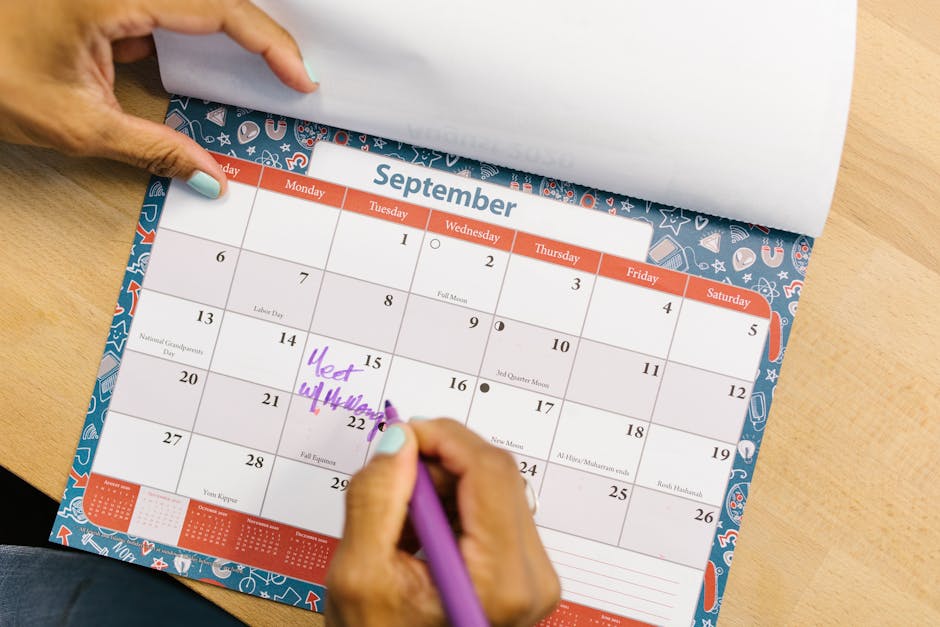
As the clock ticks toward 6 PM, the shared kitchen counter becomes a chaotic hub of activity. Lunch boxes are half-packed, keys are misplaced, and a forgotten permission slip lies buried under a pile of mail. The family calendar, usually a reliable guide, is now just another piece of clutter on the counter. Amid the rush of school pickups and evening chores, it’s easy to overlook one crucial detail: writing down the pickup time for the next day. This small task, often pushed aside, can lead to a cascade of confusion when everyone is trying to coordinate their schedules.
In the flurry of preparing dinner and organizing bags, the simple act of checking that all items are ready for the next morning often gets postponed. Without a clear visual reminder, like a family note pinned to the fridge, the risk of forgetting essential tasks grows. As the evening progresses, the household system begins to fray, leading to missed items and last-minute scrambles. Each small oversight compounds, turning a busy evening into a chaotic rush, where the shared routines that keep the family on track start to slip away.
A Typical Evening in the Shared Kitchen
The kitchen counter is a chaotic mix of backpacks, half-packed lunch items, and a jumble of keys, all fighting for space. As the clock ticks toward evening, family members dart in and out, each focused on their own tasks. One child rummages through the fridge for a snack while another juggles a permission slip and a soccer ball, trying to remember if they need to pack it for tomorrow. The air is thick with the scent of dinner simmering on the stove, but the real urgency lies in the looming school pickup for the next day.
In this whirlwind, the simple act of writing down the pickup time often gets lost in the shuffle. With bags scattered across the counter, the family calendar sits neglected, its pages barely glanced at. As one parent preps lunch items, they realize they haven’t checked if the lunchbox is ready, nor have they confirmed the school schedule. A quick glance at the fridge reveals a missed note that should have been pinned there—a visual reminder that could have anchored their evening tasks. Without it, the evening routine risks unraveling, leaving the family scrambling at the last minute, searching for keys and double-checking bags in a hurried frenzy.
When the Routine Starts to Slip
If this pattern keeps repeating, Communication In Families extends the idea without leaving the niche.
As the evening wears on, the shared kitchen counter becomes a chaotic hub of activity. Lunch items are half-prepped, school bags are strewn across the floor, and the family calendar remains untouched on the wall. Amid this flurry, the bag check—a crucial step in ensuring everything is ready for the next school day—gets postponed. Instead, everyone’s attention drifts to various tasks: one parent is chopping vegetables for dinner, while another is sorting through mail, inadvertently pushing the bag check to the back of their minds.
This distraction leads to a missed opportunity to confirm the next day's schedule. As the clock ticks toward bedtime, confusion arises about what needs to be packed. A quick glance at the family calendar reveals that a permission slip, crucial for a field trip, has been overlooked, remaining buried under a pile of mail on the counter. Without this visual cue, the family faces a scramble to gather the necessary items just before leaving for school.
To avoid this breakdown, a simple yet effective adjustment can be made: designate a specific spot on the kitchen counter for essential items like permission slips and lunchboxes. Before the evening progresses, take a moment to check this designated area, ensuring that nothing critical is missed. This small act of organization can significantly reduce the chaos of busy evenings, allowing for smoother transitions into the next day.
Why the Bag Check Gets Postponed
This same friction shows up again in Managing Shared Spaces, especially when the day tightens unexpectedly.
As the evening unfolds in the shared kitchen, the family is caught in a whirlwind of overlapping tasks. One parent is prepping dinner while the other juggles laundry and packing lunch. Amidst this flurry, the bag check, a crucial step for ensuring that everything needed for school is ready, often gets sidelined. With everyone focused on their individual responsibilities, the simple act of verifying what goes into the bags can slip through the cracks.
In the chaos, a permission slip for an upcoming field trip remains buried under a stack of mail on the counter, unnoticed. This hidden detail creates a ripple effect: without checking the bags, the slip stays behind, leading to a last-minute scramble the next morning. To mitigate this, establish a dedicated spot on the kitchen counter for essential items like permission slips and school forms. Make it a routine to check this area before diving into other tasks. By doing so, the family can avoid the stress of forgotten items and keep the evening flow intact, ensuring that good intentions translate into effective action.
One Simple Adjustment to Change the Sequence
Amid the evening rush, a visible family note on the kitchen counter can be the linchpin for maintaining order. This note should clearly outline pickup times and any tasks that need attention, such as signing permission slips or packing lunch items. By placing this note in a designated spot, everyone can see it while moving through the shared kitchen, reducing the chances of forgotten items.
- Designate a specific time, like 15 minutes before dinner, for a quick bag check.
- Ensure the family note is updated daily, reflecting any changes in the schedule.
- Use a bright sticky note or a whiteboard to make it stand out against the counter clutter.
This small sequence change—checking bags before diving into dinner prep—creates a smoother transition into the evening routine. When the family gathers for dinner, they can quickly verify that all necessary items are packed, preventing the chaos of last-minute searches for keys or forms the next morning.
What to Check Before the Evening Rush
As the evening settles in, the shared kitchen counter becomes a chaotic mix of school papers, lunch items, and bags waiting to be packed. Before diving into dinner prep, take a moment to focus on the bags that need to be ready for the next morning. This quick check can prevent the scramble that often occurs when everyone is rushing out the door. Make it a habit to place the family calendar in a visible spot on the counter, marking the pickup times and any tasks that need attention, like signing permission slips.
After confirming that each bag is packed and positioned by the door, ensure that important documents, like the permission slip, are not lost under a pile of mail. Instead, designate a specific folder on the counter for these items, creating a clear visual cue. This small adjustment in your evening routine can significantly reduce the chance of forgetting essential items. When the family gathers for dinner, remind everyone to glance at the calendar and folder, reinforcing the importance of these checks before the evening rush unfolds. Skipping this step could lead to a frantic search for keys or forms, disrupting the flow of a busy morning.
What Gets Easier in the Next Time Block
As the evening winds down, the shared kitchen counter becomes a hub of activity. With lunch items sprawled across the surface and bags waiting to be packed, the chaos can feel overwhelming. However, a simple adjustment can streamline this process. Instead of letting the family calendar sit unnoticed on the fridge, place it prominently on the counter where everyone gathers. This small change ensures that pickup times and tasks, like signing permission slips, are front and center during dinner prep.
When the family sits down for dinner, encourage a quick glance at the calendar. This not only reinforces the importance of these checks but also allows everyone to mentally prepare for the next morning. If the permission slip is still sitting under the mail, it’s easy to overlook it in the rush. Instead, create a designated folder on the counter specifically for important documents. This way, the slip is always visible and ready to be signed, reducing the chances of it being forgotten.
By integrating these checks into the evening routine, the morning scramble becomes less frantic. With bags packed and important documents in sight, the family can move more smoothly through the busy weekday morning. The friction of a last-minute bag check is alleviated, allowing for a more organized start to the day. A quick note on the family calendar can serve as a reminder for everyone, ensuring that nothing slips through the cracks.
As the evening winds down, the shared kitchen counter often becomes a chaotic mix of bags, lunch items, and forgotten notes. One missed check can lead to a cascade of troubles the next morning. If the family calendar is not updated with the school pickup time, it’s easy for someone to overlook it entirely, resulting in a rushed scramble to grab everything at the last minute. This is where a simple action, like placing a visible family note on the counter, can make a significant difference.
Before the day wraps up, take a moment to ensure that all bags are checked and that any important documents, like permission slips, are moved from under the mail to a designated spot. This small adjustment can help avoid the stress of searching for items during the busy morning. By anchoring these checks in the evening routine, you can keep shared spaces functioning smoothly and prevent breakdowns in family routines when the next busy evening rolls around.
