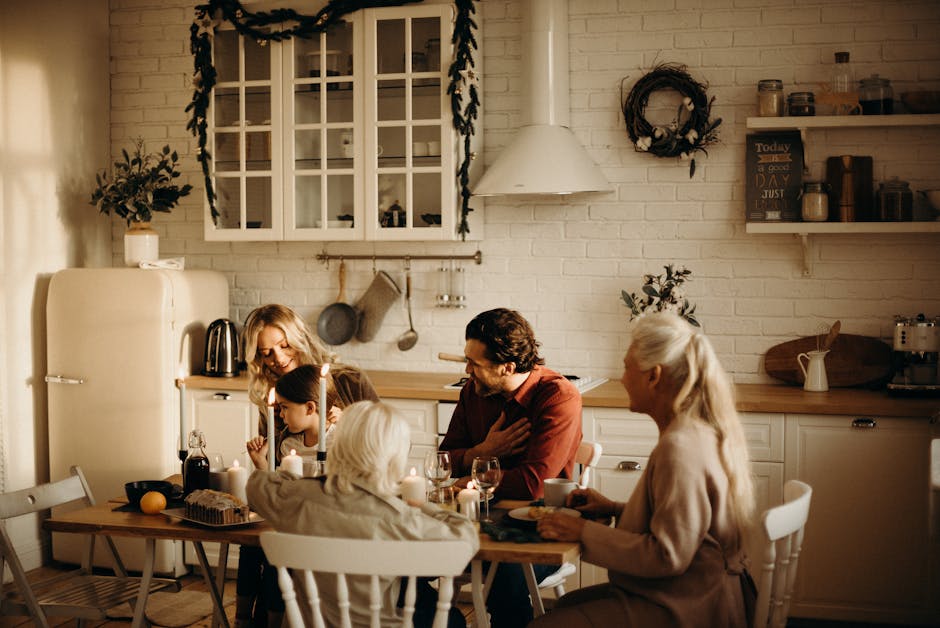
As the clock inches toward 4 PM, the shared kitchen is a whirlwind of activity. Lunch boxes, half-eaten snacks, and crumpled homework sheets scatter across the countertop, creating a chaotic backdrop for the evening rush. The family calendar hangs on the fridge, a silent witness to the overlapping schedules that often collide during school pickup. In the midst of this, packing snacks becomes a frantic task, with bags being hastily filled while keys dangle from a hook, waiting to be grabbed in the last minute dash.
Amidst the clutter, a crucial detail often gets overlooked: the pickup note, which should be pinned prominently on the fridge, is buried under a pile of grocery lists and reminders. This small oversight can lead to confusion about who is responsible for which task, creating friction in an already busy household. When the shared surface never stays clear long enough for everyone to see essential reminders, the intended smooth handoff of responsibilities falters, leaving family members scrambling to catch up. As the evening unfolds, the question lingers: how can good intentions around managing shared spaces so easily slip through the cracks during these hectic moments?
The Overlapping Chaos of Evening Routines
The shared kitchen transforms into a whirlwind of activity during the busy evening hours. Bags are strewn across the counter, lunch items spill out of their containers, and keys dangle precariously from a hook, waiting to be grabbed in the last-minute rush. As family members dart in and out, each person juggles their own tasks while trying to navigate overlapping schedules, creating a symphony of chaos that’s hard to manage.
At the heart of this frenzy is the school pickup, a pivotal moment that sets the tone for the evening. With just minutes to spare, packing snacks becomes a frantic endeavor. One family member might be rummaging through the pantry for granola bars while another is checking the family calendar on the fridge, only to find that the pickup note is obscured by a jumble of old grocery lists. This clutter not only hinders visibility but also leads to confusion about who is responsible for what. The simple act of placing the pickup note in a clear, designated spot could streamline communication and reduce the frantic energy of the evening.
As the clock ticks down, the kitchen's shared surface never stays clear long enough for everyone to see essential reminders. The hurried pace of the evening routine means that crucial details often get lost in the shuffle, leaving family members scrambling to catch up. Each moment feels like a race against time, and the question remains: how can good intentions around managing shared spaces so easily slip through the cracks amid the chaos of a busy household?
Where the Handoff Starts to Slip
The shared kitchen counter is a chaotic mix of backpacks, lunch bags, and a forgotten snack pack left behind. As the evening rush intensifies, the snack pack, filled with granola bars, sits there, unnoticed. This oversight is more than just a missed snack; it signals a breakdown in the family’s evening routine. With everyone moving in different directions, the simple act of checking if all items are packed often gets overlooked, leading to frustration when someone realizes they have no snacks for the next day.
Compounding this issue is the family calendar, which remains unupdated. The calendar, usually a reliable source of information, has fallen victim to the clutter of the kitchen. The last-minute confusion about who is responsible for school pickup arises because no one has written down the change in schedule. As a result, one parent assumes the other will handle it, only to discover too late that they both had different plans. The missed check on the calendar leads to a scramble for keys and bags, heightening the stress of the evening.
When the family finally gathers to leave, the shared surface is still cluttered, and the snack pack is still on the counter. This disorganization means that not only are snacks forgotten, but also the essential communication about who is picking up the kids becomes muddled. Each hurried moment reinforces the need for a clearer system, yet the same chaotic environment persists, leaving everyone feeling the pressure of the impending school pickup.
What Happens When Everyone Forgets the Plan?
In the chaos of a busy evening, the reliance on memory can lead to critical oversights. As the clock ticks closer to school pickup, one parent assumes the other will grab the snacks packed on the counter, while the other parent is preoccupied with a last-minute task. The cluttered kitchen surface, piled high with bags, lunch items, and stray keys, obscures the crucial pickup note stuck to the fridge. With everyone rushing, the note remains hidden from view, and the plan for who picks up the kids is lost in the shuffle.
This lack of visible reminders creates a ripple effect. When one parent finally checks the family calendar, they realize that the pickup responsibility shifted last minute, but by then, it's too late. The shared surface never stays clear long enough to serve its purpose; it becomes a bottleneck rather than a hub of communication. As they scramble to gather their things, the missed step of checking the calendar leads to a frantic search for keys and bags, while the snack pack remains untouched. Each evening reinforces the need for a more effective system, yet the same chaotic environment persists, leaving everyone feeling the pressure of impending tasks.
Revising the Shared Space for Better Flow
A slightly different version of this problem appears in Communication In Families, where the sequence changes but the hidden drag feels familiar.
In the midst of a busy evening, the kitchen becomes a whirlwind of activity. As dinner simmers on the stove, backpacks clutter the counter, and lunch items are hastily packed for the next day. The pickup note, meant to clarify who’s responsible for collecting the kids, is tucked away in a corner of the fridge, nearly invisible behind a stack of grocery lists and school flyers. This setup creates friction, as family members rush past without noticing it, leading to confusion about the evening's schedule.
To improve visibility, designate a specific spot on the fridge for the pickup note, ideally at eye level. Use a bright sticky note that stands out against the white surface. Each evening, before the chaos of dinner begins, take a moment to check the family calendar and update the note with who will handle school pickup. This small sequence change—checking the calendar first and then placing the sticky note in its designated spot—ensures that everyone sees the plan. When the note is consistently in the same location, it becomes a reliable reminder rather than an overlooked detail.
Even with this adjustment, the kitchen can still feel cluttered, with bags, keys, and lunch items strewn about. However, by making the pickup note a priority and integrating it into the family routine, the chances of miscommunication decrease. The challenge remains to keep the shared space clear enough to support these routines, but each evening's effort to maintain that visibility helps build a smoother flow for busy nights ahead.
How Small Changes Affect the Evening Transition
If this pattern keeps repeating, Managing Shared Spaces extends the idea without leaving the niche.
Evening transitions in a shared kitchen can feel like a juggling act, especially when multiple family members are trying to navigate their tasks. A simple but effective adjustment is to place the family calendar on the fridge at eye level, right next to the snack drawer. This way, it becomes a focal point during busy evenings. When the calendar is visible, it's easier to coordinate who is responsible for school pickup and other household tasks. Each time someone reaches for a snack, they are also reminded of their commitments.
As family members start to notice the calendar more frequently, the evening chaos begins to lessen. Instead of scrambling to remember who is picking up the kids, each person can glance at the fridge and see the plan laid out clearly. This visibility reduces the last-minute rush to grab bags or pack snacks. When the bags are lined up near the door, with lunch items prepped the night before, it creates a smoother handoff during the busy morning.
However, despite these adjustments, the kitchen can still become cluttered with items left out from the previous day. The challenge remains to keep the shared space organized enough to support these routines. A practical step is to designate one specific area on the counter for lunch items and another for keys, ensuring that everyone knows where to find what they need. Even with this setup, the friction of a cluttered space can still disrupt the flow, making it crucial to consistently maintain these small changes in order to keep the family routines running smoothly.
Even with a family calendar hanging prominently on the fridge, the chaos of busy evenings often leads to missed checks. A simple act like placing the pickup note in a visible spot can make a significant difference, yet it frequently ends up tucked behind other papers or forgotten altogether. This small oversight can throw off the entire evening routine, leaving everyone scrambling to remember who is responsible for which task.
To combat this, consider designating a specific spot on the counter for essential items like bags, keys, and lunch supplies. By ensuring these shared objects are consistently placed in the same location, the family can reduce the clutter that disrupts their flow. While the friction of a disorganized kitchen may still arise, these adjustments can help maintain a smoother transition during those hectic evenings, making it easier to keep everyone on the same page.