As the clock edges toward 6:30 PM, the shared kitchen counter is cluttered with lunch items, bags, and the remnants of a busy day. Amid the chaos, a permission slip lies forgotten under a stack of mail, a small but telling sign of how easily family routines can slip through the cracks. With school pickup just behind them and bedtime looming, the pressure mounts to reset for the next morning. Shoes, backpacks, and lunchboxes need to be organized, but the evening feels like a race against time.
In this flurry, the family calendar on the wall becomes a silent witness to missed checks. The hurried handoff of responsibilities often leads to overlooked tasks, like ensuring that tomorrow’s lunch is packed or that the kids’ shoes are placed by the door. One small decision, such as not checking the calendar before dinner, can set off a chain reaction that complicates the already hectic bedtime routine. As the family navigates this shared space, the friction points become glaringly apparent, highlighting how managing these everyday moments is tougher than it seems.
The Overlooked Moments Before Bedtime
The kitchen counter is a chaotic blend of lunch items, school papers, and half-finished homework assignments. As the clock ticks closer to bedtime, the pressure mounts to organize the next day’s essentials. With school pickup just behind them, the family is in a rush, but the family calendar hanging on the wall remains unnoticed. This oversight often leads to a critical pressure point: the kids’ shoes are still scattered across the hallway instead of neatly placed by the door, ready for the morning.
In the midst of this hurried environment, the family faces a small but significant decision: whether to pause and check the calendar for any forgotten tasks or to push through the evening routine. The consequence of skipping this check can ripple through the next morning. For instance, if the lunch items aren’t packed and the permission slip stays under the mail, the morning becomes a frantic scramble. A quick glance at the calendar could have revealed that the kids need to bring a special item for show-and-tell, prompting a last-minute search through backpacks instead of a smooth transition to bedtime.
To mitigate this chaos, a simple adjustment can be made. Before diving into dinner, the family could establish a routine where they check the calendar together, ensuring everyone is aware of the next day’s needs. This small act not only sets a clear expectation but also reinforces family communication, making the shared kitchen a space of preparation rather than panic. Without this step, the evening handoff remains a source of friction, highlighting how easily shared spaces can become cluttered with overlooked responsibilities.
The Decision That Sets the Tone
As the evening rush begins, shoes are often left scattered in the hallway, a tempting choice in the moment. With dinner simmering on the stove and kids bustling about, it feels easier to kick off shoes and leave them where they fall rather than making the extra step to place them neatly by the door. This seemingly minor decision can quickly spiral into chaos, especially when morning arrives and the family is scrambling to find matching shoes amidst the clutter.
When the alarm rings and the household gears up for the day, the frantic search for shoes can derail the entire morning routine. The kids, already feeling the pressure of school, waste precious minutes digging through the hallway mess, which could have been avoided with a simple adjustment. Instead of a smooth transition from breakfast to school pickup, the family is left racing against the clock. A quick check of the family calendar could have revealed the need to leave extra time for that missing permission slip, but instead, it gets lost under a pile of bags. By choosing to leave shoes in the hallway, the family sets a tone of disarray that ripples through their shared spaces, reinforcing the need for a clear system that prioritizes organization and communication, especially during those busy weekday mornings.
If this pattern keeps repeating, Managing Shared Spaces extends the idea without leaving the niche.
The Hidden Costs of Rushed Choices
As the clock ticks toward bedtime, the shared kitchen counter becomes a chaotic hub of half-finished homework, lunch items, and stray shoes. Amidst the hustle, a crucial piece of paper—a permission slip—gets buried under a stack of unopened mail. In the rush to prepare for the next day, this small oversight can lead to significant stress come morning. The kids, already feeling the weight of their school responsibilities, are left scrambling when they discover the slip just minutes before they need to leave.
This moment of panic creates a ripple effect. The family has to pause their routine, searching through the clutter instead of focusing on their morning tasks. The missed permission slip not only delays their departure but also sets a tone of disarray for the entire day. The immediate tradeoff is clear: a few moments saved by not sorting through the mail leads to a chaotic morning, where every second counts. A simple adjustment, like designating a specific spot for important documents, could alleviate this friction. By keeping a visible family note on the counter, indicating what needs to be checked each night, the household can prevent such last-minute scrambles. Without this small system in place, the cost of rushed choices continues to manifest, complicating what should be a straightforward school morning.
A Simple Rule for Smoother Mornings
As the evening winds down, the shared kitchen counter often becomes a chaotic hub for forgotten items. With backpacks, lunch boxes, and keys cluttering the space, it’s easy to overlook essential tasks. A simple but effective strategy is to establish a nightly routine that sets the family up for success. Start by placing shoes by the door each night before bed; this small act can significantly reduce the morning rush. When everyone knows where their shoes are, it saves precious time during the hectic school pickup.
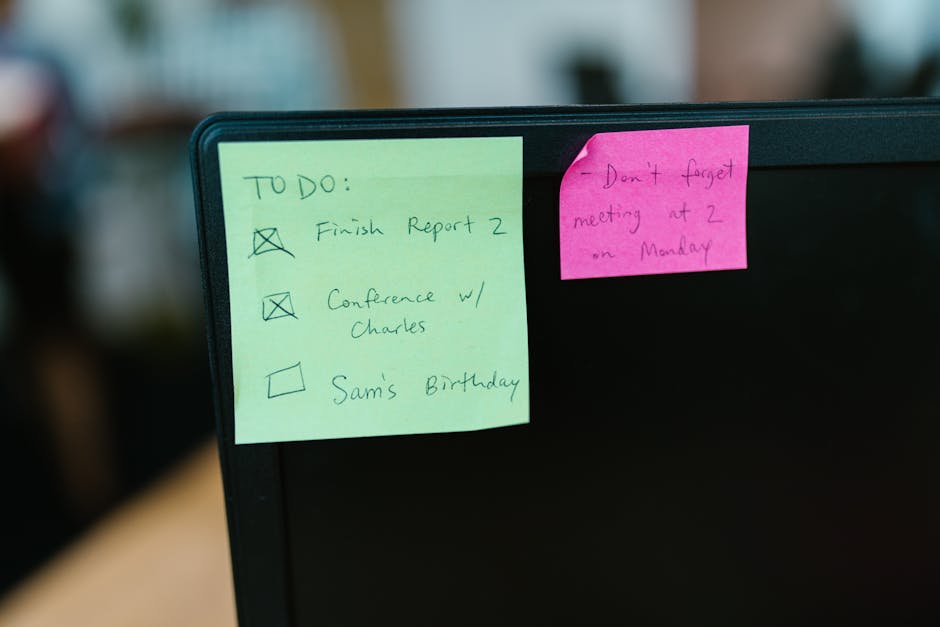
- Leave a sticky note on the counter as a reminder for important items, like permission slips or lunch ingredients.
- Check the family calendar for any events or tasks due the next day.
- Designate a specific spot for mail that contains school-related documents to avoid last-minute searches.
These actions create a smoother transition from evening to morning, especially on busy weekdays. By integrating this checklist into the nightly routine, the family can avoid the stress of forgotten items and chaotic handoffs. The checkpoint timing should ideally be right after dinner when energy levels are still high, allowing for a quick family meeting to review the next day’s needs.
The Impact of Consistency on Family Routines
A slightly different version of this problem appears in Communication In Families, where the sequence changes but the hidden drag feels familiar.
In a busy household, the shared kitchen counter often becomes a battleground for forgotten items and misplaced schedules. When the family calendar sits prominently on the counter, it serves as a visual anchor for everyone. Regularly checking this calendar, ideally right after dinner, helps to align everyone’s expectations for the next day. If a school project is due, or there’s a field trip requiring a signed permission slip, these details become part of the evening conversation rather than a last-minute scramble.
As bedtime approaches, the family can take a few moments to gather essential items. For instance, lunch bags can be pre-packed and set by the door, while shoes are lined up neatly in the hallway. This small act of organization not only reduces the morning chaos but also instills a sense of responsibility among family members. Each person knows where to find their belongings, which leads to a smoother transition from evening to morning.
However, if the family skips this nightly check, the impact can be felt immediately the next morning. A forgotten permission slip might remain buried under the mail, leading to a frantic search just before school pickup. This friction during the handoff can disrupt the entire morning routine, causing stress and frustration. By maintaining consistency in these small tasks, the family not only avoids chaotic mornings but also fosters a more cooperative atmosphere, where everyone feels prepared for the day ahead.
As bedtime approaches, the shared kitchen counter often becomes a chaotic hub where family routines intersect. If the family neglects to check the calendar for upcoming commitments, a forgotten permission slip might remain hidden under a pile of mail, ready to cause stress at the worst possible moment. This missed check can lead to frantic searches and last-minute scrambles, disrupting not just the evening but also the next morning's flow.
To prevent this, a simple adjustment can make a significant difference: designate a specific spot on the counter for important documents like permission slips and school notices. By consistently placing these items in one visible location, the family can ensure that nothing slips through the cracks. As the evening winds down, taking a moment to glance at the family calendar and confirm the next day's tasks can create a smoother transition into the morning routine. This small act of checking not only prepares everyone for what lies ahead but also reinforces a sense of shared responsibility in managing their spaces.