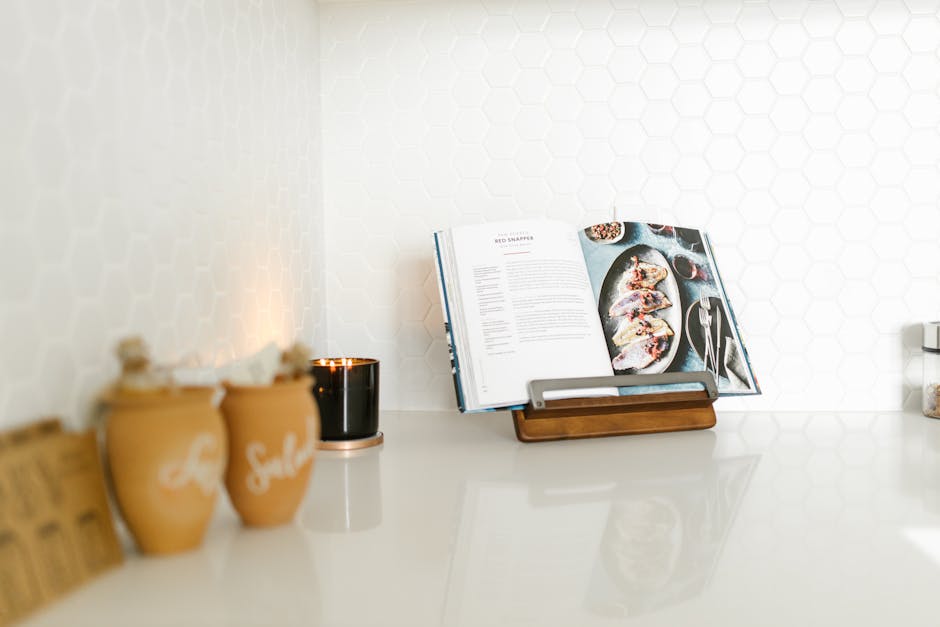
As the clock ticks toward 7 PM, the shared kitchen becomes a whirlwind of activity. Lunch bags are strewn across the counter, and a half-finished dinner sits on the stove, waiting for the last-minute touches. Shoes are scattered by the door, a reminder of the chaotic school pickup earlier that day. In the midst of this, a note on the fridge catches the eye, listing the next day’s schedule, but it’s easy to overlook the permission slip still buried under a pile of mail. The rush of the evening often leads to a breakdown in communication, making it difficult to reset the space for the next busy morning.
With backpacks and lunch items cluttering the hallway, it’s crucial to establish a small routine that can prevent the chaos from spilling over into the next day. A simple adjustment, like designating one specific spot for shoes and bags right by the door, can create a smoother transition. This small shift not only keeps the shared kitchen and hallway organized but also ensures that essential items are easily accessible. When everyone knows where to find their things, the morning scramble becomes less frantic, allowing for a more coordinated start to the day.
The Overlapping Chaos of Evening Cleanup
In the shared kitchen, the remnants of a busy day linger: lunch containers stacked haphazardly on the counter, and a stray shoe peeking out from behind the fridge. As the clock ticks toward bedtime, family members scatter through the house, each focused on their own tasks—packing bags, checking homework, and preparing for the next day. It’s a familiar scene, but the usual rhythm is disrupted by the chaos of scattered belongings. Shoes left in the living room, backpacks abandoned in the hallway, and lunch items misplaced create a recipe for confusion.
As the evening progresses, the household task of cleaning up becomes a frantic race against time. A glance at the family calendar on the wall reveals tomorrow’s early school pickup, yet the permission slip needed for the trip remains buried under yesterday’s mail. This oversight is all too common, especially when the shared spaces become cluttered. To mitigate the chaos, designating a specific spot by the door for shoes and bags could streamline the morning routine. When everyone knows that their items belong in one place, the frantic search for lost belongings can be avoided, allowing for a smoother transition into the next day.
Where the Routine Begins to Slip
As the evening wears on, the shared kitchen quickly becomes a chaotic hub. Family members rush to gather their belongings, but in the frenzy, essential items like lunch bags and permission slips often get overlooked. The kitchen counter, once a space for meal prep, transforms into a cluttered dumping ground, where backpacks are stacked haphazardly atop scattered school papers and half-eaten snacks. This disarray not only makes it difficult to find what’s needed for the next day but also creates a sense of urgency that can lead to forgotten tasks.
- Designate a specific area on the counter for lunch items to keep them visible and accessible.
- Encourage everyone to check their bags against a shared checklist pinned to the fridge before heading to bed.
- Establish a rule that shoes and backpacks must be placed by the door immediately upon entering the house.
By implementing these small adjustments, the household can prevent the evening routine from spiraling into disarray. A quick glance at the family calendar reveals tomorrow’s early school pickup, yet without a designated spot for shoes and bags, the morning rush remains fraught with confusion. The simple act of placing items in their designated spots can save precious minutes and reduce stress, allowing for a smoother transition into the next day.
Why Late Decisions Cause Friction
The shared kitchen is a whirlwind of activity during busy evenings, with lunch items, backpacks, and shoes scattered across the floor. When it’s time to prepare for the next day, decisions about where to place these items often come too late in the process. As the clock ticks down to bedtime, chaos reigns, and good intentions dissolve into last-minute panic.
Without a clear system for shared items, the family faces a frustrating scramble. For instance, the permission slip needed for school tomorrow might still be buried under yesterday’s mail, leading to a frantic search just before the morning rush. This hidden step—failing to designate a specific spot for important documents—creates unnecessary friction, making it easy to overlook essential tasks.
To counter this, establish a routine where everyone checks their bags against a shared checklist pinned to the fridge before heading to bed. This small adjustment ensures that items like shoes and backpacks are placed by the door immediately upon entering the house. By doing this early in the evening, the family can avoid the confusion that arises from scattered belongings and late decisions. However, even with this system in place, the tradeoff is that it requires everyone to remember to engage with the checklist, which can be a challenge on particularly hectic days.
A Simple Shift: Centralizing the Handoff
This same friction shows up again in Communication In Families, especially when the day tightens unexpectedly.
In the chaos of a busy evening, it's common for shoes, bags, and lunch items to scatter across the hallway, making the morning rush even more frantic. To mitigate this, designate a specific spot near the front door where everyone can place their shoes and bags as soon as they come home. This small but impactful change creates a central hub for shared items, reducing the chances of last-minute scrambling.
To reinforce this new routine, place a sticky note on the fridge that reads, "Check the drop zone!" This serves as a gentle reminder for everyone to check that spot before heading to bed. Each family member can take a moment to ensure their items are in place, which helps avoid the common scenario of searching for a missing backpack or lunchbox just before school pickup.
By implementing this sequence shift, the family can streamline their evening cleanup. When each person enters the house, they should first take off their shoes and place their bags in the designated area. This not only keeps the shared spaces tidy but also sets a clear expectation for everyone. However, the challenge remains in ensuring that everyone consistently remembers to engage with this system, especially on busier days when fatigue sets in.
How the Adjustment Sets Up Tomorrow
A slightly different version of this problem appears in Managing Shared Spaces, where the sequence changes but the hidden drag feels familiar.
On busy weekday mornings, the frantic search for shoes, lunchboxes, and permission slips often leads to chaos. However, with the new evening cleanup routine, family members wake up to find all necessary items neatly placed in the designated area by the door. This small change significantly reduces the time spent rummaging through various rooms, allowing everyone to get ready with less stress.
After dinner, as part of the cleanup, each family member takes a moment to check the shared drop zone. They place their bags, keys, and any school-related items in one spot. For instance, the lunch items are now stored in the same basket, and the family calendar is updated with any upcoming events. This organized approach means that when morning rolls around, everyone knows exactly where to find their belongings. The simple act of setting shoes by the door becomes a cue for everyone to engage with the system, reinforcing the habit.
As a result, the evening cleanup feels less like a chore and more like a family task that sets up the next day for success. The previous friction of scattered items across rooms is replaced by a clear expectation of what needs to be done each evening. This adjustment not only makes the transition into the next day smoother but also cultivates a sense of shared responsibility among family members, which can be particularly beneficial during hectic periods.
As the evening winds down, a quick check of the shared kitchen can set the tone for a smoother morning. Placing the family calendar on the fridge at eye level serves as a reminder for everyone to review what’s ahead. This small act not only keeps everyone informed but also encourages family members to take responsibility for their own tasks. When the calendar is visible, it’s easier to spot any missed permission slips or lunch items that need to be packed.
To further streamline the process, designate a specific spot for shoes and bags near the door. This simple change ensures that as the family prepares for the next day, they can quickly grab their items without rummaging through various rooms. By implementing these small adjustments, the chaos of scattered belongings transforms into a coordinated effort, making shared spaces more manageable even during the busiest evenings.