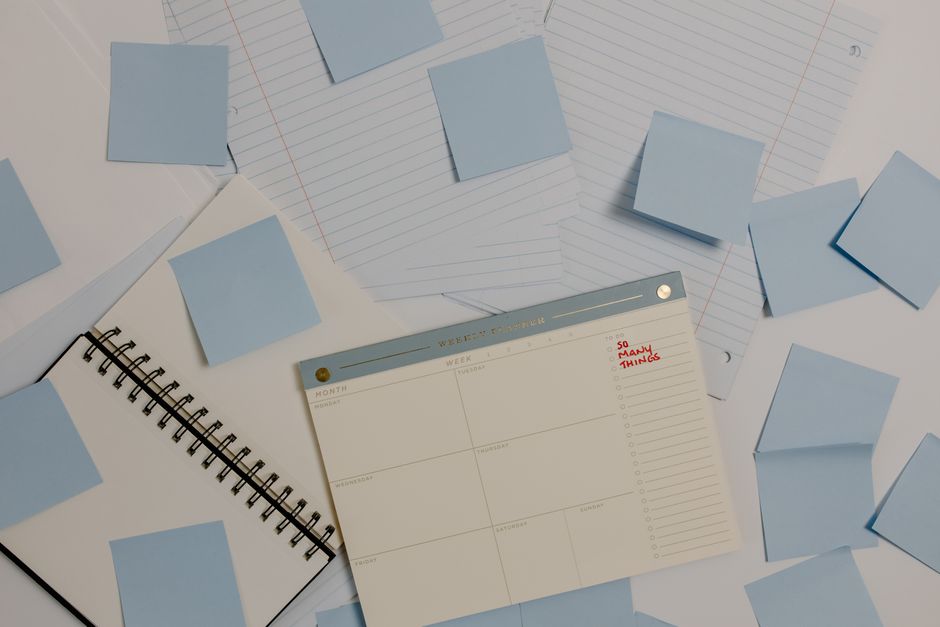
As the clock edges toward 5:30 PM, the kitchen buzzes with the sounds of clattering dishes and the faint hum of the fridge. A caregiver stands at the counter, juggling lunch items and school pickup bags, while glancing nervously at the family calendar pinned to the wall. The note about pickup time, hastily scribbled, is buried under a pile of mail on the kitchen table, out of sight and out of mind. This small detail, overlooked in the rush, sets the stage for a familiar chaos as everyone prepares for the evening routine.
With the clock ticking, the caregiver tries to orchestrate a smooth transition from school to home. One child is still finishing homework at the dining table, while another rummages through the pantry for a snack. The bags meant for pickup are scattered across the kitchen and hallway, creating a bottleneck that almost guarantees something will be forgotten. A quick mental check reveals that the pickup note isn’t visible, which could lead to a last-minute scramble. This friction, a simple missed step, highlights the challenge of managing shared spaces when multiple family members need to navigate the same area at once.
The Morning Handoff: A Scene of Chaos
The kitchen buzzes with activity as breakfast plates clatter against the counter, while lunch bags lie open, half-filled with snacks and unfinished homework assignments. A quick glance at the family calendar pinned to the fridge reveals overlapping schedules that add to the morning frenzy. One child is still tying shoelaces, while another is frantically searching for their favorite lunchbox, buried beneath a pile of yesterday’s mail.
As the clock ticks closer to the school pickup time, the caregiver darts between the kitchen and the hallway, trying to corral the chaos. Keys dangle from a hook, but the lunch items are scattered across the counter, making it hard to keep track of what’s ready to go. A mental note to check the pickup list gets lost in the shuffle, as one child dashes past, nearly knocking over a stack of notebooks. The bags, meant to streamline the morning, instead create a bottleneck as they block the path to the door.
Before heading out, a critical moment arrives: the caregiver realizes that the pickup note, crucial for the day’s schedule, is hidden under a cereal box. With a swift motion, they pull it out, but the visibility issue remains. This simple oversight could lead to forgotten items or missed pickups, highlighting how easily shared spaces can become a source of stress. As the family rushes to the door, the overlapping tasks of breakfast, lunch prep, and school readiness collide, leaving everyone to navigate the tight space with a sense of urgency that feels all too familiar.
Where the Routine Begins to Slip
The family calendar, usually pinned to the fridge, has become a backdrop for grocery lists and artwork, losing its role as a scheduling tool. This morning, it’s particularly chaotic as the clock ticks down to school pickup time. The caregiver glances at the kitchen table, where lunch bags are piled high, but the calendar is obscured by a colorful drawing. A quick check reveals that the pickup time isn’t noted anywhere visible, leading to a creeping sense of urgency.
As the family rushes to gather their things, keys are misplaced amidst the clutter of backpacks and lunch containers. One child, in a last-minute scramble for their favorite snack, knocks over a half-empty water bottle, sending it rolling across the floor. This small moment triggers a chain reaction: the caregiver bends down to retrieve the bottle, only to realize that the bags, now blocking the hallway, require a detour to navigate around. The delay is palpable, and the missed check on the calendar means that they are now racing against time.
In the midst of the commotion, a critical moment arises when the caregiver remembers to check the pickup note. It’s buried under a pile of lunch items, barely visible. With a swift motion, they pull it out, but the damage is done. The family is already behind schedule, and the lack of visibility on the calendar has caused unnecessary stress. As they finally make their way out the door, the overlapping tasks of breakfast, lunch prep, and school readiness collide, leaving everyone to navigate the tight space with a sense of urgency that feels all too familiar.
Why Does This Happen Every Day?
In the chaos of a busy weekday evening, multiple family schedules often overlap, leading to confusion and missed tasks. For instance, as the caregiver prepares dinner, they glance at the fridge where a note about the school pickup is stuck. However, it’s partially obscured by a grocery list, making it easy to overlook. This small detail can lead to a scramble later when it’s time to head out. The caregiver’s good intentions to keep everyone informed fall short when visual reminders aren't effectively placed for everyone to see.
During this time, the kitchen becomes a bottleneck. As lunch items scatter across the counter, the caregiver realizes they need to check the family calendar on the wall, but the clutter makes it hard to focus. They pause to write down the pickup time, thinking it will help streamline the handoff. Yet, as they reach for the bags, they trip over a stray lunchbox left in the hallway. This hidden step—neglecting to tidy up before moving on—creates a domino effect, delaying their exit. The result is a familiar scene: a rushed family, scrambling to gather what they need while navigating the tight space, all because the system of reminders and visibility wasn’t robust enough to handle the evening rush.
A Simple Adjustment: The Visible Pickup Note
A slightly different version of this problem appears in Communication In Families, where the sequence changes but the hidden drag feels familiar.
In the chaos of a busy evening, the shared kitchen often turns into a hub of confusion. As the clock ticks closer to pickup time, the caregiver stands by the fridge, scanning the cluttered counter for lunch items. A sticky note with the pickup time, tucked away behind a stack of takeout menus, goes unnoticed. This simple oversight can lead to a scramble when it’s time to head out. To prevent this, placing a sticky note at eye level on the fridge can serve as a crucial visual reminder for everyone in the household.
Before the family leaves the kitchen, a quick check of the note ensures that everyone is on the same page. The caregiver can establish a small routine: after packing the bags, they pause to confirm the pickup time with the kids, making it a shared responsibility. This adjustment not only keeps the timing clear but also encourages communication. However, if the note is not visible, it risks becoming just another forgotten detail. The caregiver learns that positioning the note where it can’t be missed is vital for smooth transitions during these hectic moments.
As the family gathers their things, they now have a designated spot to glance at, avoiding the usual last-minute chaos. Yet, even with this small change, the caregiver notices that stray items still scatter across the hallway. This realization hints at another layer of friction: while the pickup note helps streamline the process, the need to tidy up before moving on remains essential for a truly efficient handoff.
What Gets Easier in the Next Time Block
If this pattern keeps repeating, Managing Shared Spaces extends the idea without leaving the niche.
As the clock ticks closer to school pickup time, the shared kitchen transforms into a bustling hub of activity. Lunch bags line the counter, each waiting for the last-minute additions of fruit or snacks. The family calendar hangs on the fridge, a colorful display of after-school activities, but the crucial pickup note often gets lost in the shuffle. This time, the caregiver has decided to place the note directly on the fridge door, ensuring it’s in plain sight. With a quick glance, everyone can see the pickup time and the items needed for the handoff.
After packing the bags, the caregiver takes a moment to gather the kids around the fridge. They confirm the pickup details together, making it a shared responsibility rather than a solo task. This small adjustment not only clarifies the timing but also fosters communication among family members. However, as they prepare to leave, the caregiver notices stray items scattered throughout the hallway—shoes, backpacks, and a forgotten lunchbox. While the pickup note helps streamline the process, the lingering mess hints at another layer of friction. To tackle this, the caregiver decides to implement a quick tidy-up routine right before heading out. They set a timer for five minutes, turning cleaning into a family task. Each member grabs an item and returns it to its designated spot, making the next part of their busy evening feel a bit more manageable.
As the evening rush unfolds, the caregiver reflects on how the simple act of writing down the pickup time on the family calendar has transformed their routine. This small detail, often overlooked, anchors everyone’s responsibilities, yet it’s only effective if everyone can see it. The fridge note, while helpful, remains hidden behind a clutter of magnets and artwork, leading to missed pickups and last-minute scrambles.
To address this, the caregiver decides to place a small whiteboard next to the kitchen door, ensuring that the pickup time is front and center for all family members. This visual cue not only reminds everyone of their tasks but also encourages them to check in with each other before heading out. With a quick glance at the board, they can avoid the chaos of scattered items and ensure a smoother transition into their busy evening.