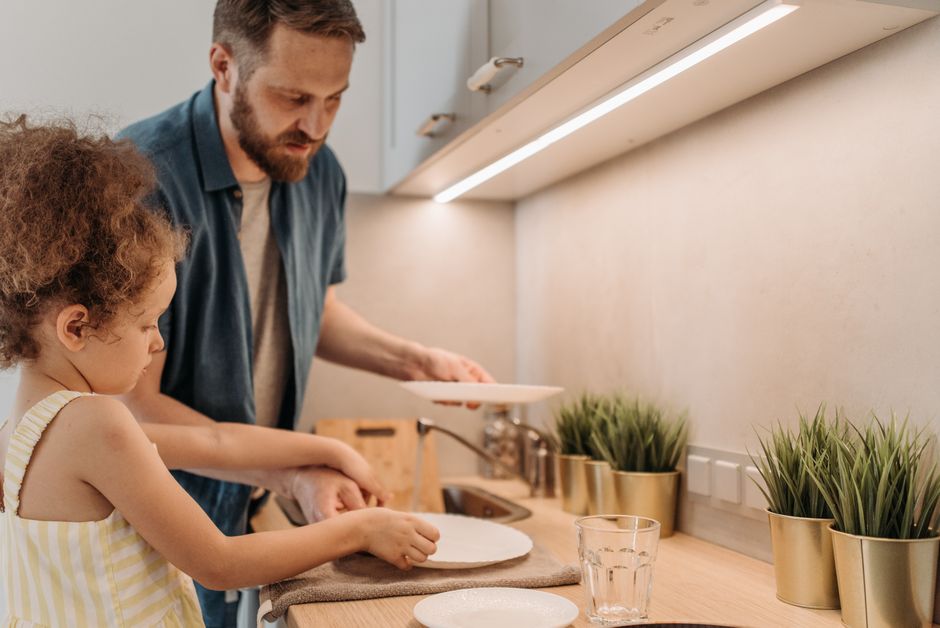
In the shared kitchen, the clock ticks loudly as the evening rush sets in. A family calendar hangs on the wall, filled with scribbled reminders and overlapping schedules. As the kids finish their homework, the parents scramble to prepare for the next school morning. One parent is tasked with packing snacks, but the water bottle sits empty on the counter, a small detail that could easily slip through the cracks amidst the chaos. The bag check, meant to ensure everything is ready for the busy school day ahead, gets postponed once again, leaving the family in a precarious balance between readiness and disarray.
This moment is critical; the choices made now ripple through the morning routine. A quick glance at the fridge reveals a note about refilling the water bottle, but it’s overlooked in the flurry of activity. As the kids grab their bags and head for the door, the absence of a simple check means someone will inevitably leave without their essentials. The shared spaces in this household are not just physical areas; they are the threads that weave family routines together, and a single missed step can unravel the entire system.
The Overlooked Handoff Moment
The kitchen is a whirlwind of activity, with bags and lunch items strewn across the counter. A half-opened lunchbox sits beside an untouched water bottle, a glaring reminder of what needs to be done before bedtime. The clock ticks down to the school morning, and the pressure mounts as one parent rushes to pack snacks while the other juggles the kids’ evening routine. Amidst the chaos, a quick glance at the family calendar on the fridge reveals a note about refilling the water bottle, but it gets lost in the shuffle.
This moment is pivotal; the decision to skip the bag check could lead to a frantic morning. As the kids grab their backpacks, one child yells about needing their favorite snack, but the water bottle remains empty, creating a ripple effect of frustration. If the parent had taken just a minute to check the bags, they could have ensured everything was ready, preventing the inevitable scramble for essentials in the morning. With the shared kitchen as the backdrop, the family’s routines hinge on these small choices, and overlooking one can unravel the entire evening’s efforts.
The Decision to Skip the Bag Check
A slightly different version of this problem appears in Communication In Families, where the sequence changes but the hidden drag feels familiar.
As the evening rush unfolds in the shared kitchen, one parent hurries to pack snacks while the other manages the kids’ chaotic bedtime routine. The family calendar on the fridge, cluttered with reminders, catches the eye, but the thought of checking each child’s bag feels like an unnecessary delay. With the clock ticking, it seems tempting to skip that step, believing they can wing it in the morning.
This choice, however, leads to a cascade of confusion. The next morning, as the kids scramble to find their shoes, one child realizes their water bottle is still empty, while another can’t locate their homework. The frantic search for these essentials turns a busy morning into a stressful race against time. If the parent had taken just a moment to check the bags the night before, they could have filled the water bottle and ensured all necessary items were packed. Instead, the decision to postpone that simple task creates a ripple effect, turning a manageable morning into a chaotic scramble, revealing how small choices in shared spaces can have significant consequences.
The Cost of a Missed Check
If this pattern keeps repeating, Managing Shared Spaces extends the idea without leaving the niche.
As the evening rush unfolds in the shared kitchen, the family calendar hangs on the wall, a reminder of the packed schedule ahead. Dinner plates are hastily cleared, and the clock ticks closer to bedtime. Amid the flurry, the decision to skip checking the kids' bags seems minor. The water bottle, usually filled and placed by the door, is forgotten, tucked away in a corner of the kitchen. The kids, eager to finish their evening routine, overlook this crucial task, believing they can manage without it in the morning.
The next day, chaos ensues. As the kids scramble to get ready, the realization hits: one child can't find their water bottle, leading to a frantic search through the shared spaces of the house. This disorganization causes them to miss the school bus, resulting in a late arrival. The missed check, a simple act of filling the water bottle the night before, transforms into a ripple effect of stress and tardiness. If only they had taken a moment to ensure everything was in order, the morning could have flowed smoothly instead of devolving into a chaotic scramble, highlighting how even small choices in shared spaces can significantly impact daily family routines.
A Simple Checklist for Evening Prep
As the evening rush begins, a few small choices can either streamline or complicate your family’s morning routine. A quick check of the shared kitchen can set the stage for a smoother start the next day. Here’s a straightforward checklist to help keep everything in order during those hectic handoff moments:
- Check bags for lunch items and homework—this ensures nothing is forgotten in the morning scramble.
- Ensure water bottles are filled and ready—skipping this step can lead to chaos when kids realize they have no water before school.
- Leave a sticky note on the fridge as a reminder for the next morning—this simple visual cue can prevent last-minute panic.
Alternatively, you might choose to skip the checklist altogether, thinking it’s quicker to just grab items in the morning. However, this often leads to missing crucial items like lunch or homework, which can create stress and delays. By taking a few moments in the shared kitchen to follow this checklist, you can significantly reduce the chances of a rushed morning, making it easier for everyone to stay on track.
The Ripple Effect of Consistent Choices
On busy weekday mornings, the shared kitchen often becomes a whirlwind of activity. With backpacks lined against the wall and lunch bags waiting on the counter, the family checklist can be the difference between chaos and calm. When the checklist is followed, the first step is checking each child’s bag for lunch items and homework. This simple action ensures that nothing crucial is forgotten in the morning rush, allowing for a smoother start.
As the family moves through this routine, the atmosphere shifts. The kids know that if they fill their water bottles the night before, they won’t face the panic of realizing they’re empty just before school pickup. This small decision not only saves time but also fosters better communication among family members. Instead of scrambling to find a missing item, everyone can focus on getting out the door on time.
Leaving a visible note on the fridge serves as a final reminder for the next morning, reinforcing the habit of preparation. When this becomes a consistent practice, mornings transform from stressful to manageable. The ripple effects are significant: with the routine in place, the family enjoys calmer mornings, which sets a positive tone for the rest of the day. This consistency not only helps with the shared kitchen chaos but also improves overall family dynamics, making it easier to tackle the busy evening ahead.
As the evening winds down, a quick glance at the family calendar can reveal what’s left to tackle before bedtime. If the kids notice that their lunch items aren’t packed yet, they can step in to help, ensuring that snacks are ready for the next school day. This small act of checking not only reinforces their responsibility but also keeps the shared kitchen from becoming a chaotic mess in the morning.
When the water bottle is left empty or the lunch bags are forgotten, it creates unnecessary stress during the busy morning rush. By making it a habit to check these items together, families can prevent the last-minute scramble that often leads to frustration. A simple reminder on the fridge can serve as a prompt for everyone to contribute to the shared task, reinforcing the importance of small choices in maintaining harmony in shared spaces.