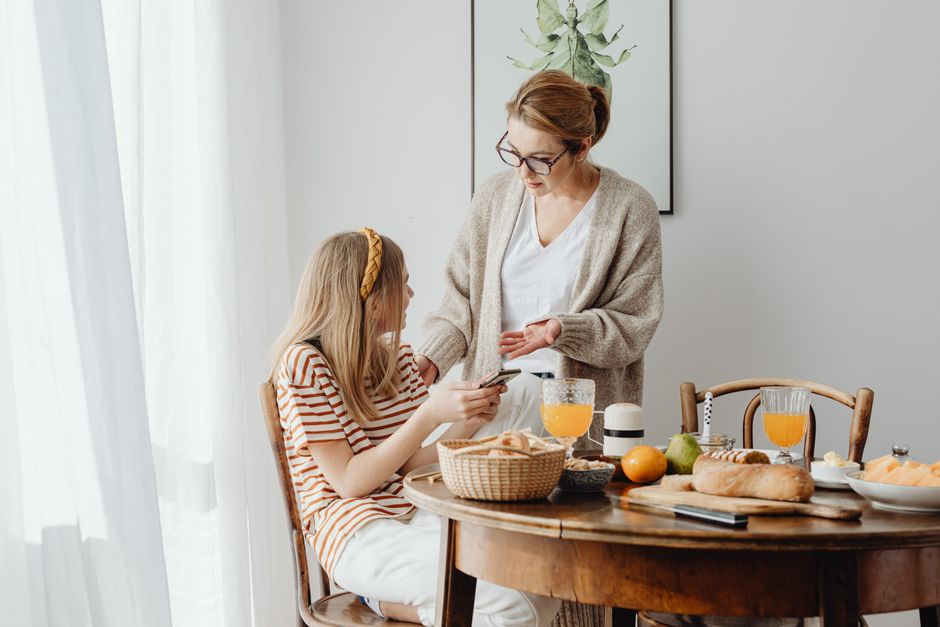
It’s a busy weekday evening, and the shared kitchen is a whirlwind of activity. The school bags are piled high on the counter, each one spilling over with lunch items and forgotten permission slips. As I glance at the family calendar, I realize that dinner prep is colliding with the school pickup time. I need to pack snacks for the kids, but the surface never stays clear long enough to get it done efficiently. The last-minute scramble to find keys and check the dinner plan is already setting the stage for chaos.
In the midst of this, I notice the permission slip still tucked under a stack of mail, a small detail that could easily slip through the cracks. It’s a reminder of how quickly things can unravel without a clear handoff check before leaving. The shared spaces in our home often become cluttered, making it difficult to keep track of essential items. This overlap of family schedules and tasks can lead to breakdowns in our routines, especially when everyone is trying to navigate the same space at once.
The Expected Routine: A Smooth Handoff
The kitchen table, cluttered with half-packed lunch bags and a family calendar, becomes the epicenter of our morning rush. As the clock ticks toward school pickup, I glance at the calendar to confirm today’s schedule, noting the after-school soccer practice that’s sandwiched between dinner prep and homework. The kids’ backpacks hang on the hooks by the door, ready for a quick grab, but the surface is a chaotic mix of snacks, forgotten permission slips, and my car keys, which seem to have vanished again. This setup should facilitate a smooth handoff, but the reality is a constant battle against clutter.
In an ideal world, I would start by clearing the table, making space for the lunch items and ensuring that the permission slip is easily visible. Before packing the snacks, I take a moment to check off each item on the family calendar, confirming who needs to be where and when. This small action helps prevent last-minute surprises, like realizing someone forgot to pack their sports gear. As I pack the snacks, I remind the kids to grab their bags while I quickly scan the table for anything crucial that might have been overlooked. A quick handoff check—"Did we get the permission slip?"—is essential before we dash out the door. However, with the shared kitchen surface often cluttered, it’s easy to miss these critical items, leading to a rushed departure and potential chaos later in the day.
The First Breakdown: Cluttered Surfaces
Every busy evening, the kitchen counter transforms into a chaotic landscape of backpacks, lunch boxes, and stray papers. As I navigate this clutter, I often find crucial items like permission slips buried beneath yesterday’s snack wrappers and half-finished homework. This visual overload marks the first breakdown in our evening routine, where the shared space becomes a barrier rather than a facilitator of our family’s tasks.
When I glance at the family calendar pinned to the fridge, I’m reminded of the impending school pickup and the dinner preparation that looms ahead. Yet, with the counter overflowing, I struggle to locate the lunch boxes that need to be filled. The permission slip for tomorrow’s field trip, which I thought I had placed on the table, remains hidden under a pile of mail. This oversight leads to a snag in our schedule, as I now have to scramble to find it before we can leave.
To mitigate this, I’ve started implementing a quick handoff check before we leave. I stand by the school bag hook, ensuring that each child has their bag ready and that all necessary items are accounted for. "Did we grab the permission slip?" becomes a routine question, a necessary reminder in the midst of the chaos. However, the reality is that even with this check, the clutter often distracts us from these critical tasks, making it all too easy to forget something essential.
As I pack snacks for the kids, I realize that the shared surface's disarray not only delays us but also increases the likelihood of forgetting important items. The kitchen, meant to be a hub of organization, often turns into a source of stress. The first visible sign of drift is right there on the counter, reminding me that maintaining clarity in shared spaces is crucial for keeping our family routines on track.
If this pattern keeps repeating, Managing Shared Spaces extends the idea without leaving the niche.
Why It Repeats: The Cycle of Overlap
Evenings in our household often feel like a chaotic relay race, especially when school pickup coincides with dinner prep. As I rush through the shared kitchen, I scan the counter cluttered with lunch items, half-packed bags, and the family calendar, all competing for attention. The tension mounts when I realize that the signed permission slip for tomorrow's field trip is still buried under a pile of mail. This moment of panic is all too familiar, yet it keeps repeating because the shared surface never stays clear long enough for us to keep track of essential items.
In the midst of this frenzy, I’ve learned that the hidden cause of our routine breakdown is often the overlapping demands of our schedules. While I’m trying to sauté vegetables for dinner, my partner is juggling the school bags and gathering keys. The tradeoff is clear: we can either focus on dinner or ensure that the kids have everything they need for the next day. To combat this, I’ve started placing a small basket on the kitchen counter specifically for paperwork like permission slips. This way, before we leave for pickup, I can quickly check the basket and confirm, "Did we grab the permission slip?" However, the reality is that even with this small adjustment, the clutter still distracts us, making it all too easy to overlook something crucial. The kitchen, intended to be a functional space, often feels like a battleground where our routines collide, leaving us scrambling at the last minute. A Simple Correction: The Handoff Check In the chaos of our busy evenings, the kitchen counter often transforms into a cluttered landscape of school bags, lunch items, and half-finished dinner preparations. Before heading out for school pickup, I’ve found that performing a quick handoff check can save us from the last-minute scramble. This involves a brief pause to ensure that everything necessary is packed and that surfaces are clear enough to avoid overlooking important items like the permission slip that often hides beneath the mail.
- Check the family calendar for any upcoming events that require paperwork.
- Gather all bags and lunch items, placing them by the door for easy access.
- Confirm that the kitchen counter is clear of distractions, making sure nothing important is left behind.
By integrating this handoff check right before we leave, I can quickly glance at the kitchen counter and verify, "Do we have the permission slip?" This small yet effective adjustment not only streamlines our routine but also keeps the shared space functional. The next time we rush out the door, I’ll be less likely to forget something crucial, reducing the friction that often disrupts our shared evening schedules.
A Quick Check That Prevents More Drift
In the chaos of a busy evening, the shared kitchen often becomes a battleground of bags, lunch items, and forgotten paperwork. As I prepare for the school pickup, I find myself glancing at the cluttered counter, where my child's permission slip often gets lost beneath a pile of mail. This small but crucial document can easily derail our evening plans if overlooked.
Before heading out, I’ve started a quick handoff check that has made a noticeable difference. I gather the school bags and lunch items, placing them by the door, and then I pause to scan the kitchen counter. I ask myself, "Is the permission slip visible?" If it’s not, I know to dig through the mail pile immediately. This simple step, executed right before we leave, ensures that everything necessary is accounted for, reducing the risk of last-minute scrambles and keeping our shared space functional during hectic handoffs.
What Changes Once That Fix Repeats
A slightly different version of this problem appears in Communication In Families, where the sequence changes but the hidden drag feels familiar.
On a busy evening, the moment before heading out for school pickup becomes significantly smoother. With the new handoff check in place, I no longer find myself frantically rummaging through the clutter on the kitchen counter. Instead, I can confidently grab the school bags and lunch items, knowing that I’ve already ensured the permission slip is in sight. This small shift in routine allows me to focus on other pressing tasks, like preparing dinner or checking in with the kids about their day.
As I gather the bags, I take a quick glance at the family calendar hanging on the wall. I notice that I’ve also started to place the calendar next to the school bag hook, making it easier to spot overlapping schedules. This visibility helps prevent conflicts, like forgetting about a sports practice or a friend's birthday party. The sequence of checking the counter and the calendar now flows effortlessly, reducing the mental load that often accompanies these busy evenings.
Next time, I plan to add a sticky note on the fridge as a reminder for any last-minute items that need to be packed. This way, I can ensure that nothing crucial slips through the cracks, making our shared kitchen a more functional space during these hectic handoffs.
As the evening rush approaches, I realize that keeping the shared kitchen organized is crucial for a smoother handoff. One overlooked detail is the placement of my children's school items. I’ve started to designate a specific spot on the counter for their homework and permission slips, ensuring they don’t end up buried under clutter. This small adjustment has made it easier to grab what we need as we head out the door.
Before leaving for school pickup, I now check that spot first. By making it a habit to glance at that designated area, I can quickly confirm that everything is ready to go. This simple check has reduced the frantic last-minute searches that used to plague our routine, allowing for a more seamless transition from homework to dinner prep.
