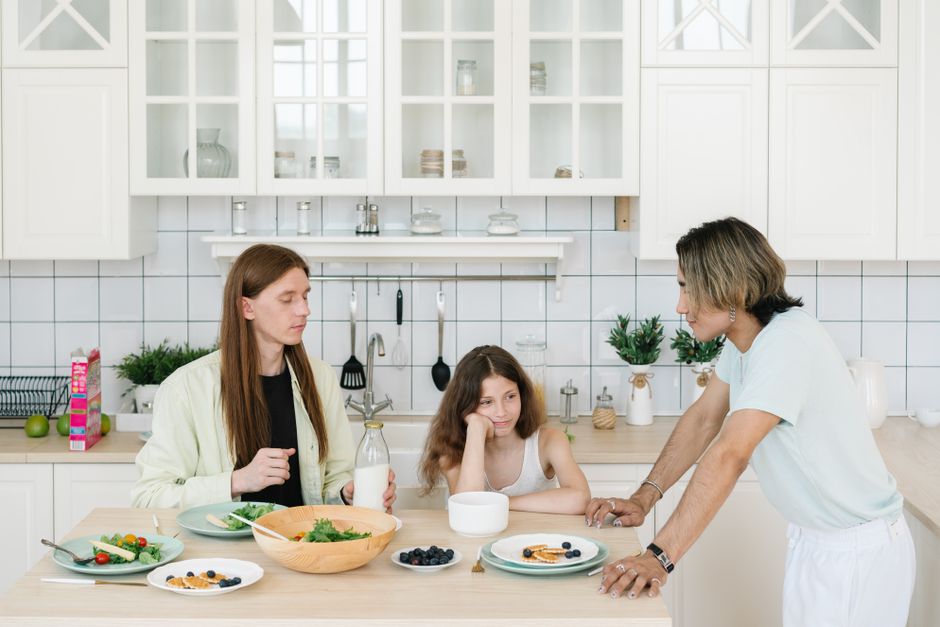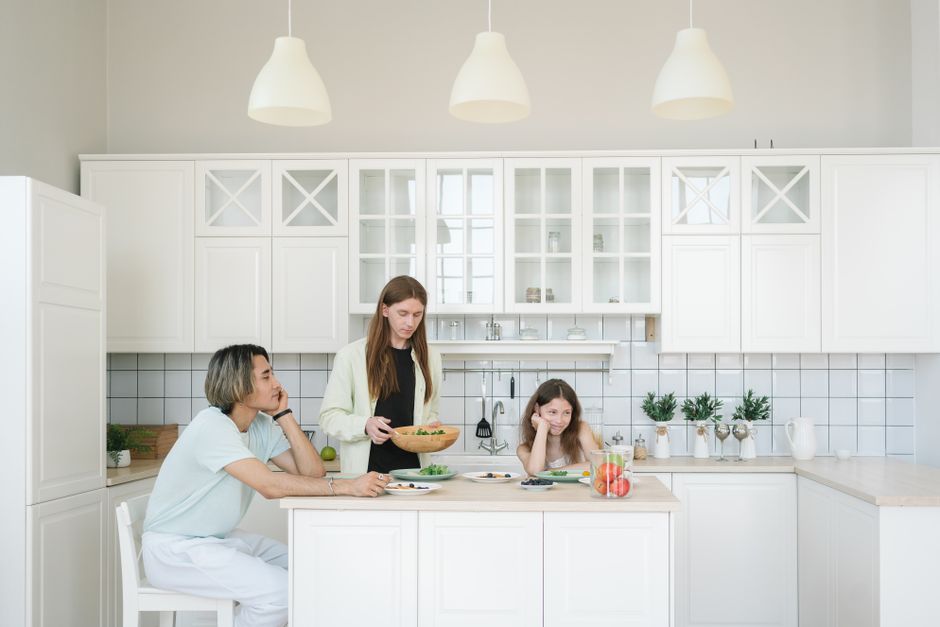
As the clock ticks toward school pickup time, the shared kitchen becomes a whirlwind of activity. Lunch items are strewn across the counter, and a half-packed school bag sits precariously on the edge of the table. A quick glance at the family calendar reveals overlapping commitments for the evening, leaving little room for error. With dinner prep looming, the pressure mounts to clear one shared surface—ideally, the dining table—before the next wave of tasks hits. Yet, in the rush, it’s easy to overlook the permission slip that’s been buried under a pile of mail, a small detail that could derail the entire evening.
This chaotic scene illustrates how small choices during these handoff moments can ripple through family routines. As bags are grabbed and keys are fumbled for, the chance to check that the school bag is fully packed slips away. Instead of a smooth transition, the family faces a scramble to locate scattered items across rooms, from lunchboxes left on the counter to homework sheets lost in the shuffle. Each overlooked detail builds tension, making it clear that managing shared spaces requires more than just physical organization—it demands a conscious effort to connect tasks and communication in the busiest of times.
The First Step That Gets Skipped
Amid the clatter of pots and the buzz of a nearly full family calendar, the kitchen becomes a whirlwind of activity during a busy weekday evening. As one parent stirs a pot on the stove, another rushes in from the hallway, juggling a school bag, lunch items, and keys. The kitchen table, once a place for family meals, is now a cluttered landscape of scattered papers, half-eaten snacks, and misplaced permission slips, all competing for attention.
In this chaos, the urgency of time often leads to missed checks. The family schedule is pinned to the fridge, but with only minutes until school pickup, the parent’s focus shifts to dinner prep, leaving the school bag unexamined. A quick glance at the bag could have revealed the forgotten homework sheet crumpled at the bottom, or the lunchbox left behind on the counter. Instead, the parent grabs the bag and heads for the door, only to realize that the permission slip has been buried under a pile of mail on the table.
As the door closes behind them, the tension rises. The scattered items create a domino effect: the child forgets the lunchbox, leading to a hurried return home, which throws off the timing for dinner. Each rushed decision in the kitchen, from skipping the check on the school bag to neglecting the clutter on the table, compounds the chaos. A simple adjustment, like clearing one shared surface before the evening rush, could have provided a moment of clarity amidst the frenzy. Instead, the family faces the consequences of a chaotic handoff, where small choices during these rushed moments can significantly impact their shared routines.
A Better Order for the Same Five Minutes
This same friction shows up again in Communication In Families, especially when the day tightens unexpectedly.
On a busy weekday morning, the kitchen can quickly devolve into chaos. As the clock ticks down to school pickup, the countertop is cluttered with lunch items, keys, and an assortment of papers. The school bag, slung haphazardly over a chair, is a ticking time bomb for forgotten items. When the parent grabs the bag, the instinct is to rush out the door without a second thought, but this often leads to missed checks. The permission slip, for instance, remains buried under a pile of mail on the table, creating a ripple effect of disorganization.
In contrast, taking just a few minutes to clear one shared surface before leaving can transform the frantic energy of the morning. Designating the school bag hook as the drop-off point for all pickup items helps streamline the process. By placing the lunchbox, homework, and permission slip in the bag the night before, the parent avoids last-minute scrambles. Instead of racing against the clock, they can simply check the bag against a quick list: lunch, homework, keys. This small adjustment not only alleviates the morning stress but also sets a more organized tone for the day.
The choice made under pressure often feels tempting, like skipping the bag check to save time. However, this can lead to a chaotic handoff at the school entrance, where the child forgets essential items, resulting in a rushed return home. By prioritizing the organization of pickup items in advance, the family can sidestep the frustrations that arise from scattered belongings. The difference in flow is palpable; a few moments spent in the kitchen can lead to a smoother transition from home to school, allowing for a more harmonious evening ahead.
What to Check Before the Phone Takes Over
A slightly different version of this problem appears in Managing Shared Spaces, where the sequence changes but the hidden drag feels familiar.
In the shared kitchen, a busy weekday evening often turns chaotic as the clock ticks down to school pickup. As you juggle dinner prep and the impending rush, it’s easy to overlook key items that need to be ready for the kids. A simple glance at the family calendar on the fridge can remind you of the permission slip that needs to be in the school bag, but it’s the physical act of checking that makes the difference. If that slip is still sitting under the pile of mail on the counter, it could lead to a last-minute scramble.
- Confirm that lunch items are packed and placed visibly on the counter, ready to grab.
- Stick a reminder note on the fridge to prompt the kids about what to take.
- Ensure that permission slips are placed directly in their school bags, not left behind.
Before you dash out the door, take a moment to check these items. This small pause can save you from a chaotic scene at the school entrance, where kids might forget essential items. The friction of scattered belongings can be avoided by simply placing lunch items in a designated spot on the counter and keeping the school bag by the door. This way, you can ensure that everything is accounted for and ready to go, making the transition smoother for everyone involved.
How Repeating Better Choices Eases Evening Stress
In the shared kitchen, the family calendar hangs on the wall, a bright reminder of the week’s schedule. Each Sunday, it’s updated with school events, dinner plans, and reminders for upcoming activities. This simple act of writing down everything helps keep the chaos at bay. When the evening rush hits, it’s easy for tasks to slip through the cracks, but a quick glance at the calendar can direct everyone’s focus. For instance, if the kids see a reminder about a school project due tomorrow, they know to grab supplies from the shared space before heading out.
As the clock ticks closer to school pickup time, the kitchen can quickly become cluttered. Lunch boxes, homework, and bags all vie for space on the counter. By designating a specific area for school items—like a basket near the door for permission slips and lunch bags—you create a smoother transition. This small choice reduces the stress of searching for scattered items. If the kids know exactly where to find their lunch boxes, they can grab them without asking, saving precious minutes.
When dinner prep begins, a clear counter makes a world of difference. Instead of navigating around clutter, you can quickly chop vegetables or set out ingredients. The rhythm of dinner prep becomes less frantic, allowing for conversations about the day rather than stress over misplaced items. This organized approach not only eases the immediate stress but also fosters better family communication. As everyone pitches in, they can check off tasks on the calendar together, reinforcing a sense of teamwork.
In the end, these small, repeated choices create a ripple effect. Less clutter leads to smoother transitions, which in turn reduces stress during both dinner prep and school pickups. The family calendar transforms into a reliable tool for communication, ensuring everyone stays on track. With each busy evening, the household systems become more efficient, making room for connection instead of chaos.
When the school pickup items are scattered across the hallway, it’s easy for the shared kitchen to become a chaotic backdrop for dinner prep. Missing that one handoff check before leaving can lead to a frantic search for the lunchbox or permission slip, which often ends up under the mail pile instead of on the counter where it belongs. This small oversight not only disrupts the flow of the evening but can also create tension as family members juggle their own tasks amidst the clutter.
To keep the routine from unraveling, consider designating a specific spot for each item, like a basket near the school bag hook, where everything can be easily accessed and checked off before heading out. This simple adjustment can significantly reduce the friction of overlapping schedules and help maintain a smoother transition from school to dinner. By making this one small change, you can ensure that the shared kitchen remains a space for connection rather than chaos, allowing for a more relaxed evening together.