On a busy weekday morning, the hallway bench is cluttered with backpacks, lunch bags, and an assortment of stray items that need to make it out the door for school pickup. As the clock ticks closer to the departure time, the pressure mounts. One hand is busy packing snacks into a lunchbox while the other fumbles for keys that seem to have vanished into the chaos. The family calendar on the wall is a blur of overlapping schedules, but right now, the priority is getting everyone ready without forgetting anything crucial.
In this rush, it’s easy to overlook small but significant tasks, like refilling the water bottle that’s sitting empty on the kitchen counter. A quick glance at the scattered items reveals that the last-minute grab for a homework folder has turned into a frantic search for shoes that were left in the living room. Each missed check compounds the disorder, with vital items lost in the shuffle, leading to a breakdown in the shared routine. When decisions about what to pack or where to place items happen too late, the entire family dynamic feels the strain, leaving everyone scrambling to catch up.
The Morning Rush and Overlapping Schedules
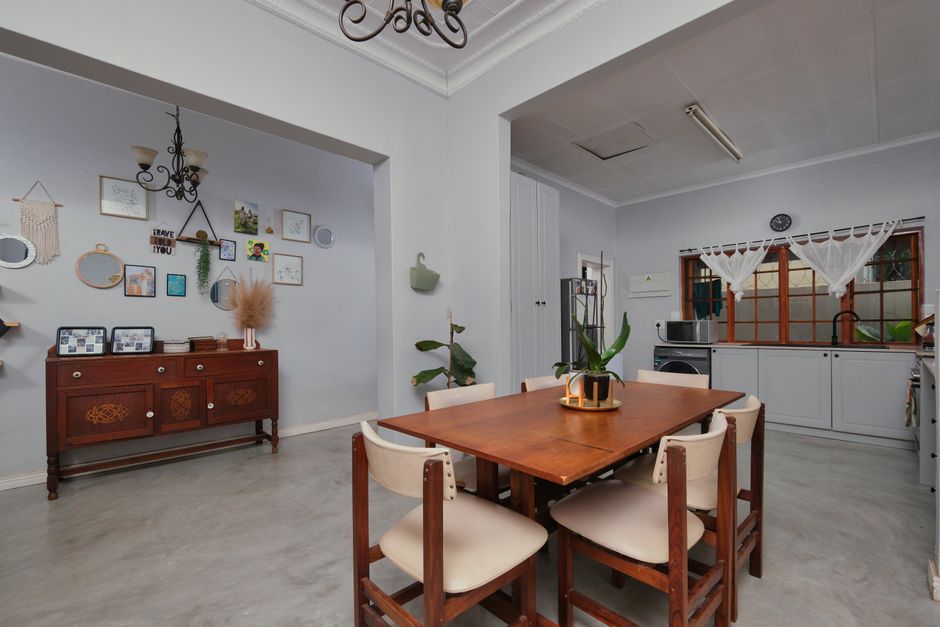
The shared kitchen transforms into a chaotic hub during busy weekday mornings, with family members darting in and out, each trying to leave at the same time. The kitchen table is cluttered with lunchboxes, half-filled water bottles, and an array of keys that seem to have multiplied overnight. As the clock ticks closer to school pickup time, the pressure mounts, and the frantic search for a missing homework folder sends everyone scrambling.
In the midst of this chaos, the family calendar on the wall is a blur of overlapping schedules, making it difficult to remember who needs what. One child is rummaging through the pantry for a snack while another is trying to locate their shoes, left behind in the living room. The water bottle, which should have been refilled the night before, sits empty on the counter, a glaring reminder of a missed task. This simple oversight turns into a bottleneck, as one parent juggles packing snacks and checking off items on a mental list while the other struggles to find their keys.
To avoid the last-minute scramble, a quick handoff check is essential before leaving. Each family member should have their designated spot for items like lunchboxes and backpacks. Placing these in a specific area near the door can streamline the process. Without this small adjustment, the morning routine risks breaking down, leaving everyone frustrated and late, reinforcing the need for better timing in shared decisions.
The First Decision That Sets Off a Chain Reaction
This same friction shows up again in Communication In Families, especially when the day tightens unexpectedly.
On a busy weekday morning, the hallway bench is cluttered with backpacks, lunchboxes, and an assortment of shoes. One parent, in a rush to get everyone out the door, decides to skip checking the family calendar before packing the lunches. This tempting shortcut seems harmless at the moment, but it sets off a chain reaction that quickly spirals out of control. As the parent grabs the lunch items from the shared kitchen, they realize that they’ve forgotten to refill the water bottle, which now sits empty on the counter, a glaring oversight that will lead to dehydration later in the day.
The hurried choice to bypass the calendar means that one child, who has an early soccer practice, misses out on their favorite snack, while another is left without the important lunch item they specifically requested. As the family scrambles to gather their things, the parent frantically checks off items in their head, only to find that the water bottle is still empty. A quick handoff check before leaving could have ensured that each child had everything they needed, including a full water bottle. Instead, the morning routine unravels, with scattered pickup items across the rooms and the clock ticking down to the school bell, reinforcing the need for better timing in shared decisions.
The Cost of Rushed Choices: A Case Study
A slightly different version of this problem appears in Managing Shared Spaces, where the sequence changes but the hidden drag feels familiar.
On a busy weekday morning, the family kitchen buzzes with activity as everyone prepares for school. The shared calendar on the wall, usually a helpful guide, remains unchecked. As the clock ticks closer to the school bell, the parent hastily packs bags, grabbing lunch items from the counter while glancing at the scattered shoes and jackets near the hallway bench. In the rush, they completely overlook the snacks that should have been packed, leaving two kids without anything to eat during their long school day.
By lunchtime, complaints arise as the kids realize they have no snacks. One child, who had been looking forward to a favorite granola bar, feels drained and unable to focus, while the other is left hungry and irritable. This oversight not only affects their energy levels but also disrupts the family’s evening plans. With everyone feeling off-kilter, they miss a scheduled soccer practice due to confusion over who was responsible for bringing the equipment. A simple handoff check before leaving could have ensured that both snacks and gear were ready, but instead, the rushed choices led to a cascade of consequences that linger throughout the day.
In the chaos, the parent realizes that they should have prioritized checking the family calendar and confirming responsibilities before the morning rush. This small adjustment could have prevented a day filled with complaints and missed events, highlighting how crucial timing and communication are in managing shared spaces effectively.
What to Check Before the Handoff: A Decision Checklist
During a busy weekday morning, the hallway bench becomes a chaotic staging area for school pickup. Bags are strewn across the floor, and items meant for the day’s activities scatter into different rooms. A quick glance at the family calendar reveals overlapping events, but without a clear plan, it’s easy to miss essential items. One small adjustment can streamline the process significantly.
- Check the family calendar for overlapping events before packing bags.
- Ensure water bottles are filled and snacks are ready the night before.
- Consider prepping lunch items in the shared kitchen ahead of time.
Before leaving, make it a habit to do a handoff check. This means confirming that each child has their water bottle, snacks, and any necessary gear. When this step is skipped, it can lead to frantic searches just before leaving, causing delays and frustration. By taking a moment to verify these details, the family can avoid the last-minute scramble that often derails busy evenings.
The Outcome of Better Choices Repeatedly
On a busy weekday morning, the hallway bench becomes a cluttered staging area for school pickup. Shoes, bags, and lunch items pile up, creating a chaotic scene. However, when family members consistently check off items from a simple checklist, mornings transform. Each child knows to grab their water bottle and snacks from the shared kitchen, ensuring that nothing is left behind.
Implementing a handoff check before leaving the house is key. This involves a quick glance at the family calendar to confirm who needs what for the day, followed by a physical check of each child’s bag. If water bottles are filled and snacks are pre-packed the night before, the chances of forgetting essential items drop significantly. This small adjustment leads to smoother mornings, with everyone leaving on time and feeling less stressed.
As a result, fewer items are forgotten, leading to a more organized and harmonious home. The ripple effect of these small decisions becomes evident: less frantic searching for misplaced items means more time for family interactions before school. Each successful morning reinforces the habit, making it easier to maintain this routine. Ultimately, the shared spaces become more functional, supporting the family’s busy schedule rather than hindering it.
As the evening rush approaches, the hallway bench becomes a cluttered crossroads of backpacks, lunch bags, and scattered pickup items. If the water bottle isn’t refilled the night before, it’s easy to overlook it in the morning chaos. This oversight can lead to frantic searches and late departures, which only heighten the stress of school pickups. A simple check, like ensuring each child’s bag is ready and the family calendar is visible, can prevent these last-minute scrambles.
In busy households, establishing a routine for these checks can transform how shared spaces function. By making a habit of confirming that everything is in place before leaving, families can reduce the friction that arises from rushed decisions. Next time you’re preparing for a busy evening, take a moment to gather those scattered items and double-check the essentials. This small act can pave the way for a smoother transition into the next part of your day.