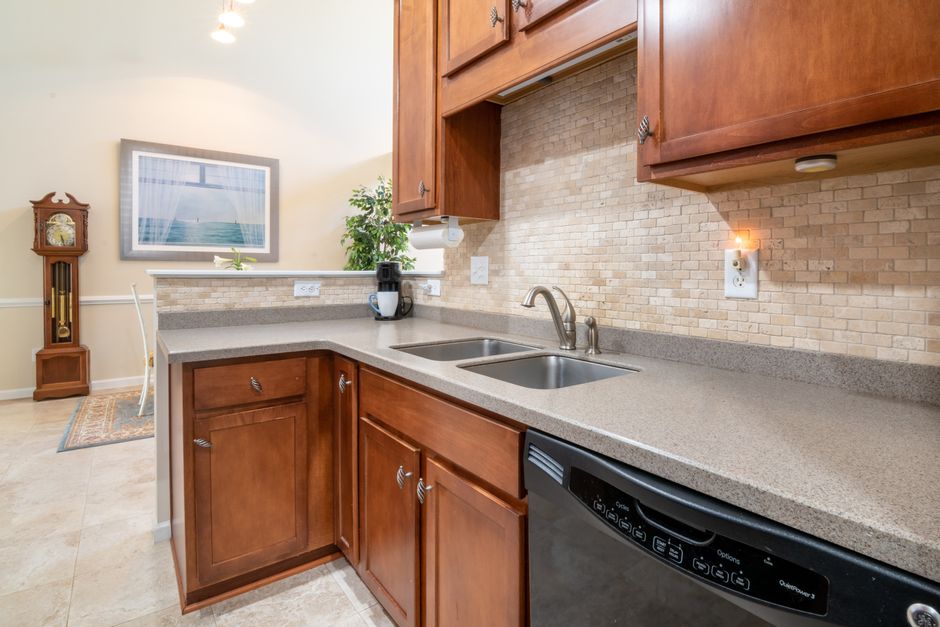
As the clock ticks towards school pickup, the shared kitchen buzzes with activity. A half-empty water bottle sits on the counter, forgotten amidst the chaos of lunch packing and bag organizing. One parent juggles lunch items while the other searches for keys, both racing against the clock. The family calendar, plastered with overlapping schedules, hangs on the wall, a silent witness to the frantic energy that fills the space. In the midst of this hurried routine, the simple act of refilling that water bottle slips through the cracks, setting off a chain reaction of missed tasks and last-minute scrambles.
When the evening rolls around, the household’s rhythm often falters. Bedtime routines start to clash with the need to prepare for the next day, leaving everyone feeling rushed. If that water bottle had been filled earlier, it would have been one less thing to worry about during the chaotic transition. Each missed step in these shared routines can compound, leading to frustration and inefficiency. Recognizing these friction points and implementing small corrections can transform how a busy household navigates its shared spaces, especially when the stakes are high and time is short.
The Expected Morning Rush Routine
The kitchen buzzes with activity as the clock ticks towards the school pickup time. Breakfast plates clatter against the counter while a half-opened family calendar hangs nearby, its pages filled with reminders and overlapping events. Each family member, juggling their own tasks, navigates the tight space: one person pours cereal, another packs lunch items into bags, and someone else searches for their keys. Amid this flurry, the water bottle sits empty on the countertop, a glaring reminder of a small but crucial task left undone.
As the morning unfolds, the sequence of actions becomes critical. Before anyone heads out, a quick handoff check is essential—who is taking the lunch, and has the water bottle been filled? If the water bottle is refilled before the rush, it saves a frantic last-minute dash back to the kitchen. However, if it’s overlooked, it adds to the chaos, leading to a scramble that disrupts the flow. By making this simple adjustment, the family can ease the tension that comes with overlapping routines, ensuring that everyone leaves the house with what they need for the day ahead.
Where the Routine Breaks Down First
As the evening rush begins, the kitchen counter becomes a cluttered battleground of lunch items, bags, and keys, making it hard to find anything. Amid the chaos, one family member forgets to check the family calendar on the wall, missing a reminder about a school event that requires an early pickup. This oversight quickly becomes the first visible sign of drift in the routine, leading to a scramble for the forgotten item just as bedtime approaches.
- Lunch bags are left half-packed, with only a few items tossed in.
- Keys are misplaced under a pile of papers, causing a frantic search.
- The water bottle remains empty, adding to the morning's stress.
Before heading out, a quick handoff check should be the final step: who is responsible for which items? If this step is skipped, it often leads to delays and frustration, especially when everyone is trying to leave at the same time. By ensuring that the calendar is checked and the counter is clear, the family can prevent these small but impactful disruptions from becoming a larger issue in their shared space.
A slightly different version of this problem appears in Managing Shared Spaces, where the sequence changes but the hidden drag feels familiar.
Why the Same Breakdown Happens Again
The hallway bench often becomes a cluttered catch-all, where backpacks, lunch boxes, and stray shoes pile up. This disorganization is not just a visual issue; it leads to repeated breakdowns in the family routine. When family members assume that others will handle their tasks—like refilling the water bottle or checking the family calendar—miscommunication takes root, and the shared responsibility feels fragmented.
As the busy weekday morning unfolds, everyone rushes to grab their items, yet the water bottle remains empty on the counter. This small oversight compounds the stress of the morning, especially when someone realizes that they need to leave for school pickup in ten minutes. The family calendar, usually pinned to the wall, goes unchecked, and the hurried scramble to find keys buried under lunch bags adds to the chaos.
To prevent these breakdowns, a simple handoff check can be integrated into the routine. Before anyone leaves, a quick glance at the hallway bench can ensure that all necessary items are accounted for. "Who has the lunch bags?" and "Is the water bottle filled?" should be the final questions asked. This small adjustment not only clarifies responsibilities but also reduces the chance of forgetting essential tasks, allowing the family to move smoothly through their shared spaces.
A Simple Correction to Clear Surfaces
The hallway bench often becomes a cluttered catch-all, with backpacks, shoes, and lunch bags piled high. As the evening approaches and the family prepares for another busy school day, this disarray can lead to forgotten items and last-minute chaos. A simple but effective solution is to implement a 'one handoff check' before stepping out the door. This check acts as a quick visual inventory, ensuring that surfaces are clear and all necessary items are in hand.
To make this routine stick, consider placing sticky notes on the hallway bench or near the door with reminders for each family member. For instance, a note might read, "Check water bottle and lunch bags!" This small detail not only prompts family members to take responsibility for their own items but also reinforces the importance of the handoff check. Before heading out, everyone should pause to scan the bench, asking questions like, "Do we have the keys?" and "Is the lunch ready?" This quick moment of coordination can significantly reduce the friction of a rushed exit.
By integrating this handoff check into the evening routine, the family can avoid the common pitfalls of forgotten items and disorganization. The result is a smoother transition from home to school, minimizing the stress of busy mornings and ensuring that everyone is prepared for the day ahead.
What Happens After the Correction
This same friction shows up again in Communication In Families, especially when the day tightens unexpectedly.
With the shared kitchen surfaces cleared each evening, mornings transform from chaotic to manageable. Instead of scrambling to find lunch items or keys, family members can quickly grab what they need from a designated spot on the hallway bench. For instance, when the lunch bags are prepped and placed there the night before, the morning rush is less frantic, allowing for a few extra minutes to enjoy breakfast together.
As family members become more aware of each other's schedules, they start coordinating better. The family calendar, now prominently displayed on the fridge, serves as a visual reminder of who needs to be where and when. This small adjustment means that during the busy school pickup time, everyone has a clear understanding of their tasks. Each person can check in with one another, asking, "Are you ready for soccer practice right after school?" This simple question fosters communication and ensures that no one is left scrambling at the last minute.
In the next time block, the difference is palpable. Instead of a last-minute dash for forgotten water bottles, family members are now in sync, thanks to the handoff check implemented the previous evening. This coordination not only alleviates stress but also reinforces a sense of teamwork, making the shared spaces feel more organized and less overwhelming. The result is a smoother transition from home to school, where each member feels prepared and connected to the family routine.
As the evening winds down and bedtime approaches, the chaos of a busy household can easily lead to forgotten tasks. A simple yet effective change is to designate a specific spot on the hallway bench for school items that need to be packed the night before. When everyone knows that the water bottle, homework folder, and lunch bag should be placed there, it becomes a natural checkpoint. This small adjustment helps prevent the morning scramble when everyone is rushing out the door.
Before heading to bed, a quick handoff check can make all the difference. Gather the family for a moment to confirm who is responsible for what in the morning. This ensures that the lunch items are packed, the backpacks are ready, and no one is left searching for keys or missing water bottles. By implementing this routine, family members can feel more prepared, reducing the friction that often disrupts shared spaces during busy times.