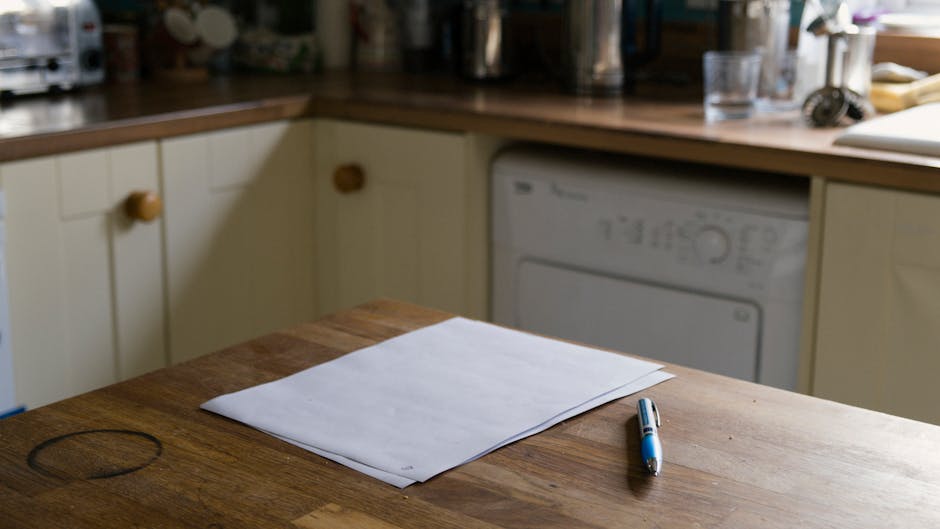
As the clock ticks toward bedtime, the shared kitchen counter becomes a chaotic landscape of half-packed bags, lunch items, and scattered permission slips. Shoes are tossed haphazardly by the door, while the family calendar hangs on the wall, a silent witness to the busy evening that unfolds. The caregiver, juggling school pickup and dinner prep, tries to navigate this whirlwind, but the usual routine is starting to fray at the edges. A forgotten permission slip lies buried under a pile of mail, and with each passing minute, the risk of missing an essential task grows.
In this rush, the sequence of actions often slips, leading to small breakdowns in communication and shared responsibilities. When the kids come home, they drop their backpacks in the hallway, adding to the clutter. The caregiver, focused on dinner, might overlook the need to check that everyone’s shoes are lined up neatly by the door or that lunch items are ready for the next morning. These seemingly minor details can snowball, causing confusion and missed tasks as the family transitions from one busy evening to the next.
The First Step That Gets Skipped
The shared kitchen counter is a chaotic mix of bags, lunch items, and forgotten permission slips, all competing for space during the evening rush. As the clock ticks closer to bedtime, family members dart in and out, each focused on their own tasks. The caregiver, juggling dinner prep and school assignments, feels the pressure mount. With backpacks strewn across the hallway and shoes haphazardly tossed near the door, the usual rhythm of the evening begins to falter.
In the midst of this whirlwind, the first step that often gets overlooked is the simple act of checking that everything is in its place. As the caregiver grabs a frying pan, they might momentarily forget to ensure that lunch items are prepped and ready for the morning. Instead of placing the lunch bags by the door, they remain on the counter, blending into the clutter. This small oversight can lead to a frustrating scramble in the morning, as the family rushes out the door with half-prepared lunches and scattered shoes.
To combat this, a quick routine check can help anchor the evening chaos. Before leaving the kitchen, a simple glance at the shared counter can serve as a reminder: are the lunch bags packed and placed by the door? Is there a clear path for the morning rush? By establishing this small but crucial checkpoint, the caregiver can prevent the breakdown of shared routines, ensuring that the next busy morning starts on a smoother note.
Field Notes on Friction Points
Evening cleanup in a busy household often reveals the cracks in shared responsibilities. As the caregiver stands in the shared kitchen, the clock ticks toward bedtime, and the clutter of the day begins to pile up. Shoes are strewn across the hallway instead of neatly lined up by the door, creating a tripping hazard and a visual reminder of the chaos. This small oversight can lead to a frantic morning as family members scramble to find their footwear, wasting precious time that could be spent on breakfast or last-minute homework checks.
In the midst of packing lunch items, a permission slip slips under a stack of mail, lost in the shuffle. The caregiver, focused on gathering keys and lunch bags, misses the crucial check of whether all necessary items are accounted for. When it's time to leave, the realization hits: the permission slip is still on the counter, and now there's no time to retrieve it. This moment of delay can snowball into a larger issue, as the child may miss an important school event or activity.
To combat these friction points, establishing a simple routine can help. Before leaving the kitchen, a quick glance at the hallway can serve as a reminder to gather shoes and place them by the door. Additionally, checking the shared kitchen counter for any forgotten items—like the permission slip—ensures that nothing crucial is left behind. By anchoring these small actions into the evening routine, the caregiver can mitigate the chaos and keep shared responsibilities from overwhelming the household.
This same friction shows up again in Managing Shared Spaces, especially when the day tightens unexpectedly.
Why the Handoff Fails
As the evening winds down, the shared kitchen counter becomes a chaotic mix of lunch bags, keys, and scattered school papers. Each family member assumes their tasks will be remembered, but this reliance on memory often leads to misplaced items and forgotten responsibilities. For instance, the permission slip for tomorrow’s field trip sits unnoticed under a pile of unopened mail, while shoes remain scattered across the hallway. Without a visible reminder system, these critical items blend into the background, making it easy to overlook them during the rushed handoff.
In a busy household, the sequence of actions can easily derail even the best intentions. The caregiver, focused on packing lunches and gathering bags, often skips the small but vital step of checking the shared kitchen counter for any overlooked items. This oversight can lead to a last-minute scramble when it’s time to leave, as the realization that the permission slip was left behind causes unnecessary stress. To streamline this process, establishing a simple routine—like placing shoes by the door and doing a quick visual sweep of the counter before heading out—can help ensure that nothing essential is forgotten. However, the tradeoff is that this requires an initial investment of time and attention, which can feel daunting on a busy evening. A Better Order for the Same Five Minutes In the chaos of a busy evening, the shared kitchen counter often becomes a dumping ground for items that need to be taken out the door. Shoes and bags get tossed haphazardly near the entrance, while important papers like permission slips and school notes slip under the mail or get lost in the clutter. When it's time to leave, a frantic search ensues, leading to stress and delays.
To improve this routine, designate a specific spot by the door for shoes and bags. A small basket can hold shoes, while a hook can keep bags within reach. This simple adjustment creates a visual cue that helps everyone remember where to place their items, reducing the chance of misplacing something crucial. Additionally, use a sticky note on the kitchen counter as a reminder for essential items like the permission slip or lunchboxes. This small visual prompt can catch your eye during the final sweep before heading out.
Instead of a hurried dash to the door, take a moment to check that everything is in its designated place. Start by grabbing the bags and shoes from their assigned spots, then do a quick visual scan of the counter for the sticky note. This sequence change—checking the counter last after gathering items—ensures that nothing is overlooked. While it may feel like just a few extra minutes, this small adjustment can save time and reduce chaos during the evening handoff.
What Changes Next: The Impact of Small Adjustments
If this pattern keeps repeating, Communication In Families extends the idea without leaving the niche.
Evening cleanup in a busy household often feels like a race against time. As the clock ticks closer to bedtime, items like shoes, bags, and lunch containers scatter across the shared kitchen counter, creating a chaotic scene. This is where a simple adjustment can make a noticeable difference. By designating a specific spot for each family member's shoes by the door, you create a visual anchor that helps everyone remember where to place their items. This small change can significantly reduce the time spent searching for shoes in the morning.
Transitioning from evening cleanup to bedtime routines can become smoother with a quick visual check. After gathering the bags, take a moment to scan the kitchen counter for essential items like the family calendar or permission slips. Instead of rushing to the door, pause to ensure that everything is in its designated place. This sequence change—checking the counter after gathering items—ensures that nothing is overlooked. The result? Less frantic searching in the morning means a calmer start to the day.
When the family is organized and ready to go, mornings become less stressful. A smoother transition from evening cleanup to bedtime routines not only saves time but also fosters a sense of responsibility among family members. Each person knows where their items belong, reducing the chance of misplacing something crucial. This simple adjustment can create a ripple effect, making the busy weekday mornings feel more manageable and less chaotic.
As the evening winds down, the shared kitchen becomes a hub of activity, with shoes scattered by the door and bags waiting to be prepped for the next day. This is the moment when the potential for breakdowns in family routines is highest. One small but crucial step is to designate a specific spot for shoes and bags—perhaps a basket by the door or a shelf in the hallway. This not only keeps the space tidy but also ensures that everyone knows where to find their things when morning arrives.
Before heading to bed, take a moment to check that all important items, like the family calendar and any school permission slips, are in their designated places. A quick glance at the counter can prevent the chaos of misplaced items in the morning rush. By establishing this small routine, families can significantly reduce the stress of busy weekday mornings, making it easier to transition from evening cleanup to a calm bedtime routine.
