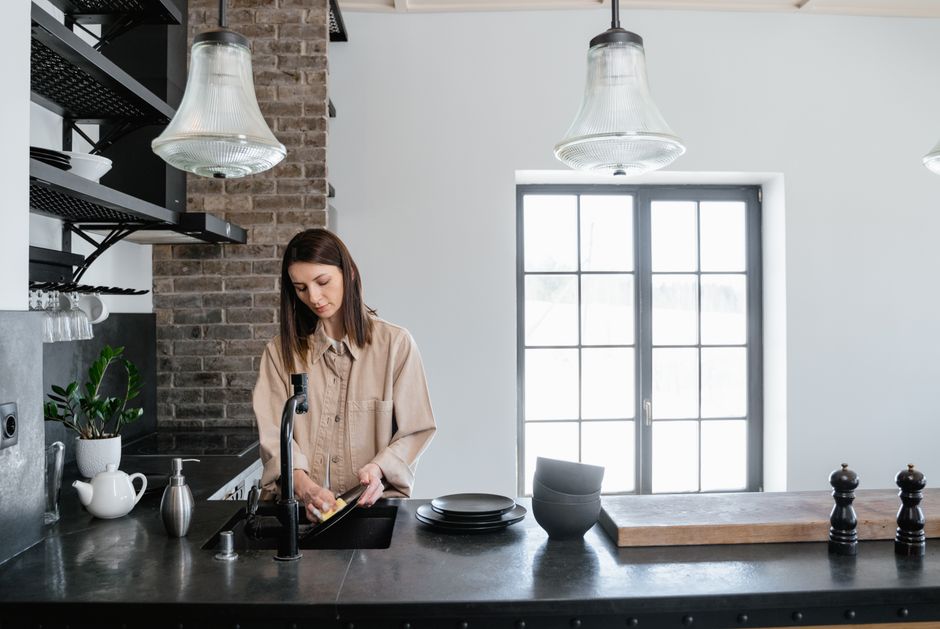
As the clock ticks toward 5 PM, the shared kitchen buzzes with the chaos of a busy evening. A parent, juggling bags and lunch items, scans the fridge for the pickup note that should have been left in plain sight. Instead, it’s buried under a pile of yesterday’s takeout containers, creating a bottleneck in the family routine. Dinner preparations are underway, but the looming school pickup adds a layer of urgency, making it clear that a smooth handoff is slipping away.
In the midst of this hurried atmosphere, the family calendar sits on the counter, a silent witness to the missed checks that often derail the evening. With bags half-packed and keys nowhere to be found, the simple act of clearing one shared surface becomes a critical task. If the pickup note had been easily accessible, it would have prompted a quick review of who’s responsible for which task. Instead, the parent is left scrambling, trying to remember the last-minute changes while ensuring dinner doesn’t burn on the stove. This sequence of actions, or lack thereof, highlights why good intentions around managing shared spaces often fall short in the face of a hectic family schedule.
Where the Routine Begins to Slip
The kitchen is a whirlwind of activity as the clock ticks down to school pickup time. Lunch items are strewn across the counter, with bags half-opened and keys misplaced in the clutter. The family calendar, usually a reliable guide, sits buried under a pile of takeout menus and snack wrappers, making it difficult to reference the evening’s schedule. As family members rush to grab their things, the tension in the air thickens; everyone is focused on leaving, but the shared routine is beginning to unravel.
In this chaotic moment, a quick glance at the fridge reveals a forgotten pickup note, its visibility compromised by a stack of mail. If it had been placed at eye level, it could have prompted a last-minute check on who was responsible for which tasks. Instead, the parent is left to juggle the remaining lunch items while trying to remember who needed to bring what for after-school activities. The act of clearing just one shared surface could have alleviated some of this pressure, allowing for a smoother transition from home to school. But with bags still unpacked and the clock ticking, the chance to verify the family schedule slips away, leaving everyone scrambling.
The Friction of Overlapping Schedules
This same friction shows up again in Communication In Families, especially when the day tightens unexpectedly.
In the shared kitchen, the family calendar hangs on the fridge, a colorful display of activities and reminders. Yet, as the evening rush approaches, it becomes just another background detail, overshadowed by the clatter of dinner preparations and the shuffle of bags. The parent glances at the clock, realizing that the school pickup time is creeping closer, but the bag check has been postponed yet again. With lunch items strewn across the counter and keys misplaced in the chaos, the urgency mounts.
As the parent attempts to gather the scattered lunch items, they notice the pickup note tucked behind a pile of mail—out of sight and out of mind. This missed check means that the child could forget their after-school gear, leading to a frantic scramble later. The simple act of clearing one shared surface, like the kitchen counter, could have created a designated spot for the pickup note, making it impossible to overlook. Instead, the family is left with the consequences of a disorganized routine, where good intentions are overshadowed by the reality of a busy household. With the clock ticking, the parent must decide whether to prioritize the dinner cleanup or ensure the bags are ready for tomorrow, highlighting the constant tradeoff between immediate tasks and long-term family systems. A Better Order for the Same Five Minutes In the shared kitchen, the clock ticks down as dinner prep overlaps with the chaos of school pickup. Amidst the clutter, the kitchen counter is a battleground of lunch items, keys, and half-finished homework. The parent stands there, feeling the pressure mount. A quick glance at the fridge reveals a sticky note reminding them of the after-school gear needed for pickup, but it’s hidden behind a pile of mail, easily overlooked in the rush. This disorganization leads to a missed check, risking a frantic last-minute dash to retrieve forgotten items.
Instead of diving straight into dinner cleanup, a simple adjustment could save time and stress. Clearing the kitchen counter first creates a dedicated space for essentials like the pickup note and the bags. By moving lunch items to a nearby table and placing the sticky note in clear view on the fridge door, the parent ensures that everyone can see it. This small shift in routine not only helps prevent the last-minute scramble but also reinforces a smoother handoff for the evening's tasks. The tradeoff here is clear: prioritizing a clean counter over immediate meal prep can lead to a more organized evening, allowing the family to navigate their busy schedule without unnecessary chaos.
What to Check Before the Phone Takes Over
A slightly different version of this problem appears in Everyday Life In The, where the sequence changes but the hidden drag feels familiar.
As the evening rush approaches, the shared kitchen becomes a hub of activity, where the family calendar hangs on the wall, a constant reminder of commitments. Before diving into dinner prep, it’s crucial to ensure that nothing slips through the cracks. The lunch items, often scattered across the counter, need to be gathered and packed into bags. A quick glance at the family calendar pinned next to the fridge can prevent last-minute surprises.
- Confirm that all lunch items are packed and ready to go.
- Double-check the family calendar for any evening commitments.
- Place the pickup note in a visible spot, like on the fridge door.
Before leaving for school pickup, take a moment to clear the kitchen counter. This small sequence change not only creates a designated space for lunch items but also ensures that the pickup note is easily seen by everyone. Aim to complete this check at least ten minutes before you need to leave. This way, the family can transition smoothly from one task to another, minimizing the risk of forgetting essential items or commitments.
How the Adjustment Affects the Next Part of the Day
As the evening rush approaches, the shared kitchen can quickly transform into a chaotic space if not managed properly. After ensuring the kitchen counter is clear, the family can transition from school pickup to dinner prep without the usual scramble. This simple act of clearing one surface not only creates a designated area for lunch items but also sets the tone for a smoother evening.
When the kitchen is organized, family members feel less rushed and more prepared. For instance, with the pickup note now prominently displayed on the fridge, anyone heading out can quickly check it before leaving. This small adjustment prevents the common mistake of forgetting essential items, like the soccer gear for practice or the dessert for dinner. A quick glance at the family calendar, which should be updated and visible, reinforces commitments and helps everyone stay aligned with the evening’s tasks.
To make this work, establish a routine where each family member is responsible for checking the kitchen counter before they leave. If the counter is clear and the pickup note is visible, it becomes easier to hand off responsibilities without confusion. Aim to complete this check at least ten minutes before leaving for pickup. This way, the family can smoothly transition from one task to another, reducing the risk of last-minute chaos and ensuring that dinner prep can begin without added stress.
As the evening winds down, the shared kitchen often becomes a battleground of forgotten tasks and misplaced items. The family calendar, while a great tool, can easily be overlooked amidst the hustle of dinner prep and school pickups. If the calendar is not checked before everyone rushes out, the chances of forgetting essential items increase significantly. This is where a simple change can make a big difference: designate a specific spot on the kitchen counter for all outgoing items, like lunch boxes and sports gear. This way, everyone knows to look there before leaving.
Additionally, making it a habit to perform a quick handoff check can streamline the transition from one task to another. Before heading out for pickup, take a moment to glance at the designated area. If it's clear and organized, it signals that everyone is on the same page. This small adjustment can prevent the chaos of last-minute searches and ensure that the evening flows smoothly. Next time you're preparing for a busy evening, try setting a timer for ten minutes before you need to leave. This will remind everyone to check the counter and the family calendar, keeping the shared routine intact.